Optimal Growth

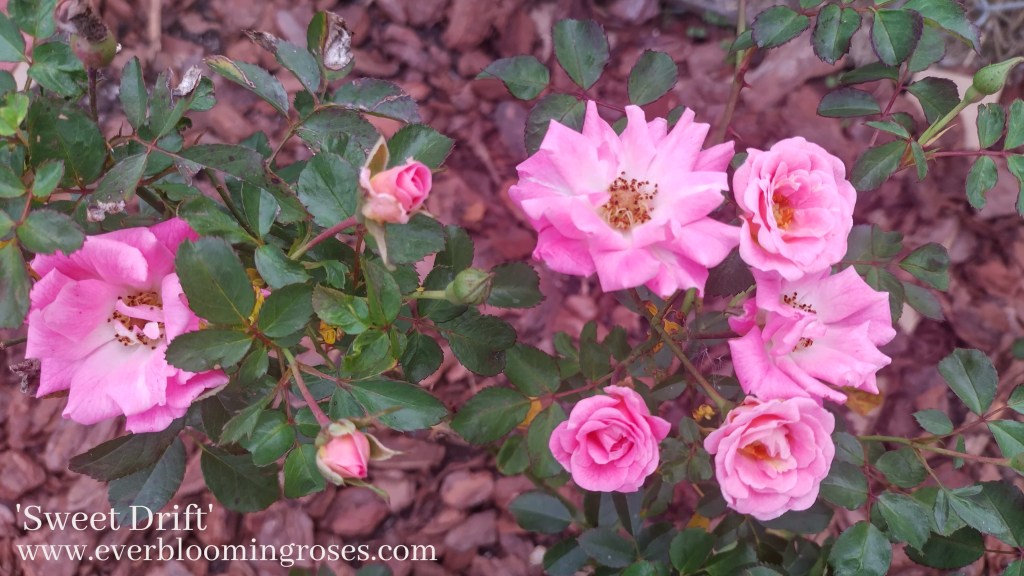
With spring approaching, I’ve been busy preparing my garden for optimal growth. My shed is packed with numerous bags of pine nugget mulch among a variety of garden tools, and I had a small retaining wall recently built in the corner bed to prevent further erosion from the rain. Additionally, tonight, after getting home from work, I quickly pruned and fertilized what I affectionately refer to as ‘The Pink Patch’. The pink patch is a narrow border bed between my home and my neighbor’s property. It hosts several pink rose bushes including ‘Sweet Drift’ and the narrow bed concludes with the hybrid tea, ‘Chicago Peace’ near the garden’s gate. Essentially, I have created a pink hedge – although, at the moment, there is no pink in the pink patch due to the natural effects of winter dormancy. Unfortunately, a stray cat thinks the pink patch is her litter box, which motivated me to prune and fertilize a tad earlier than I normally would because I am hoping the drift roses will unfurl and expand making it difficult for the neighborhood cat to use the rose bed as a restroom. Then again, the stray cat will likely move onto one of my many other flower beds.
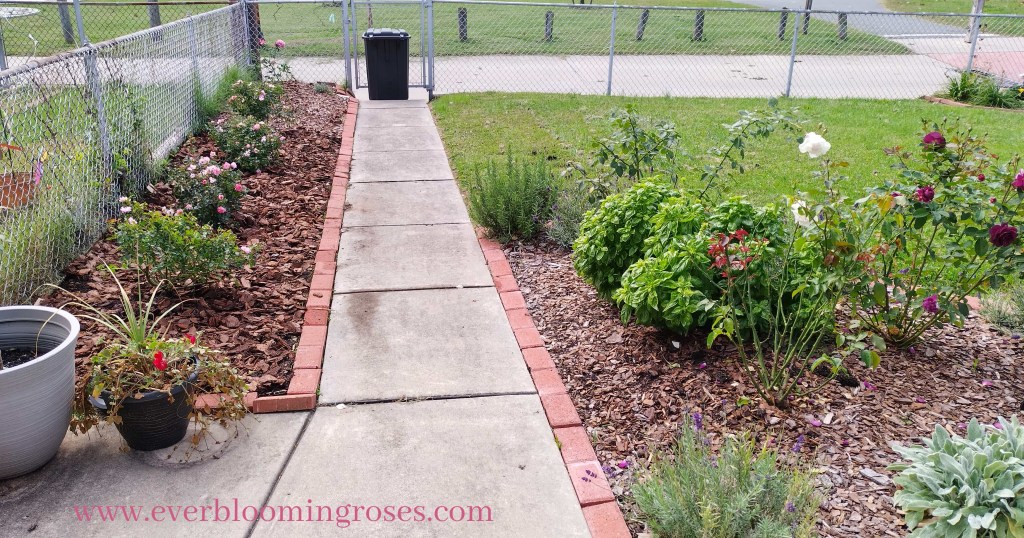
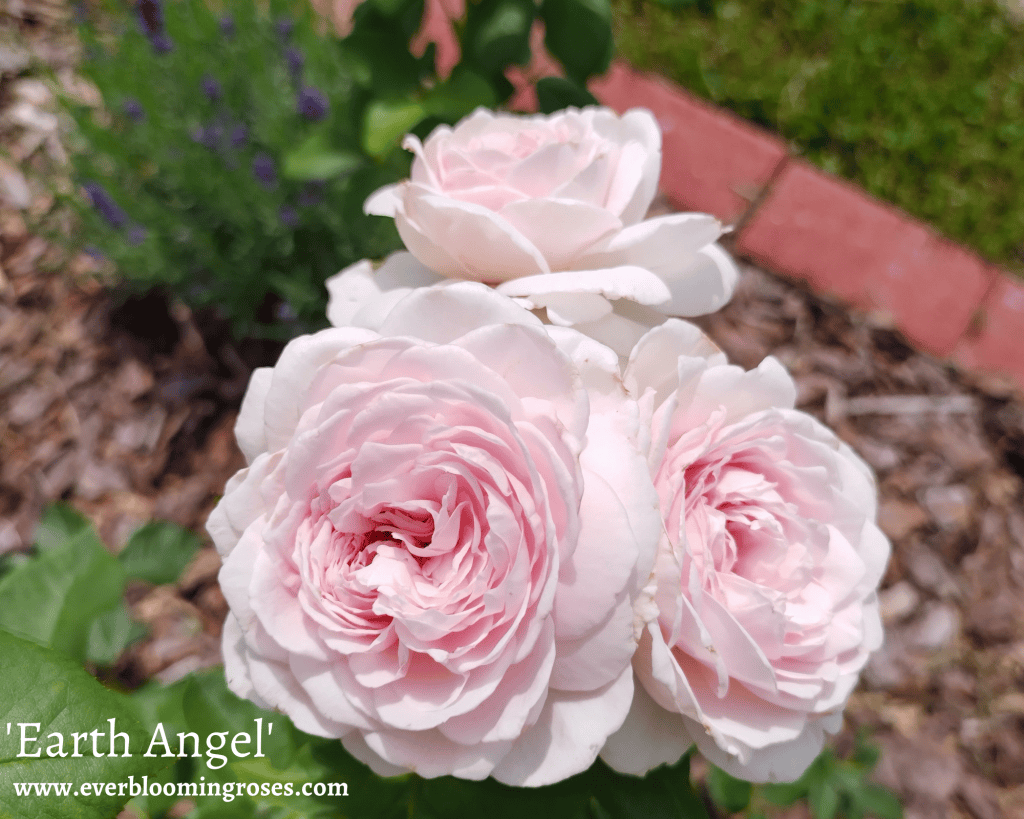
‘Sweet Drift’ roses and ‘Chicago Peace’ on the left make up ‘The Pink Patch’ while the wild cane on the right is ‘Earth Angel’.
This bloom of Chicago Peace is past her prime but still a lovely blend of pinks, apricots, and lilac.
The culprit cat.

During this past Sunday’s beautiful sunshine, I created a new garden bed to house a rose bush that I planted last year but I underestimated her size. After seeing ‘Earth Angel’, a fragrant and romantic floribunda, produce long canes during her first year, I recently researched her size in gardening forums (sometimes the size stated on vendor’s websites is not the reality in all gardening zones). Turns out, this rose can get 5′ by 4′ not 3′ by 3′. Similarly, it’s been my observation from past gardens of mine that Sweet Drift’s height and width grow approximately double what the label claims. So, I dug a new hole elsewhere for Earth Angel, pruned her back, dug her up, and transplanted her, gambling that the weather forecast would continue to remain above freezing. Then I made a new bed around her using cardboard to cover the grass, put dirt on top of the cardboard, and spread a layer of mulch to top it all off. Through it all, I noticed the recently erected small retaining wall for the corner bed partially covered the base of two daisies. I subsequently had to transplant them for optimal growth as well, which reminded me that sometimes that is the case for us humans too. Selah.

What’s happening in your garden and the proverbial, spiritual garden of your heart? Is construction, pruning, fertilizing, transplanting, or all of the above needed for optimal growth this spring? Like, subscribe, and comment below.

Be ever-blooming, rose buds!
In March of 2024, a new flower bed and the small retaining wall in the corner bed “bloomed”.

‘Florentina’ Transplant Update

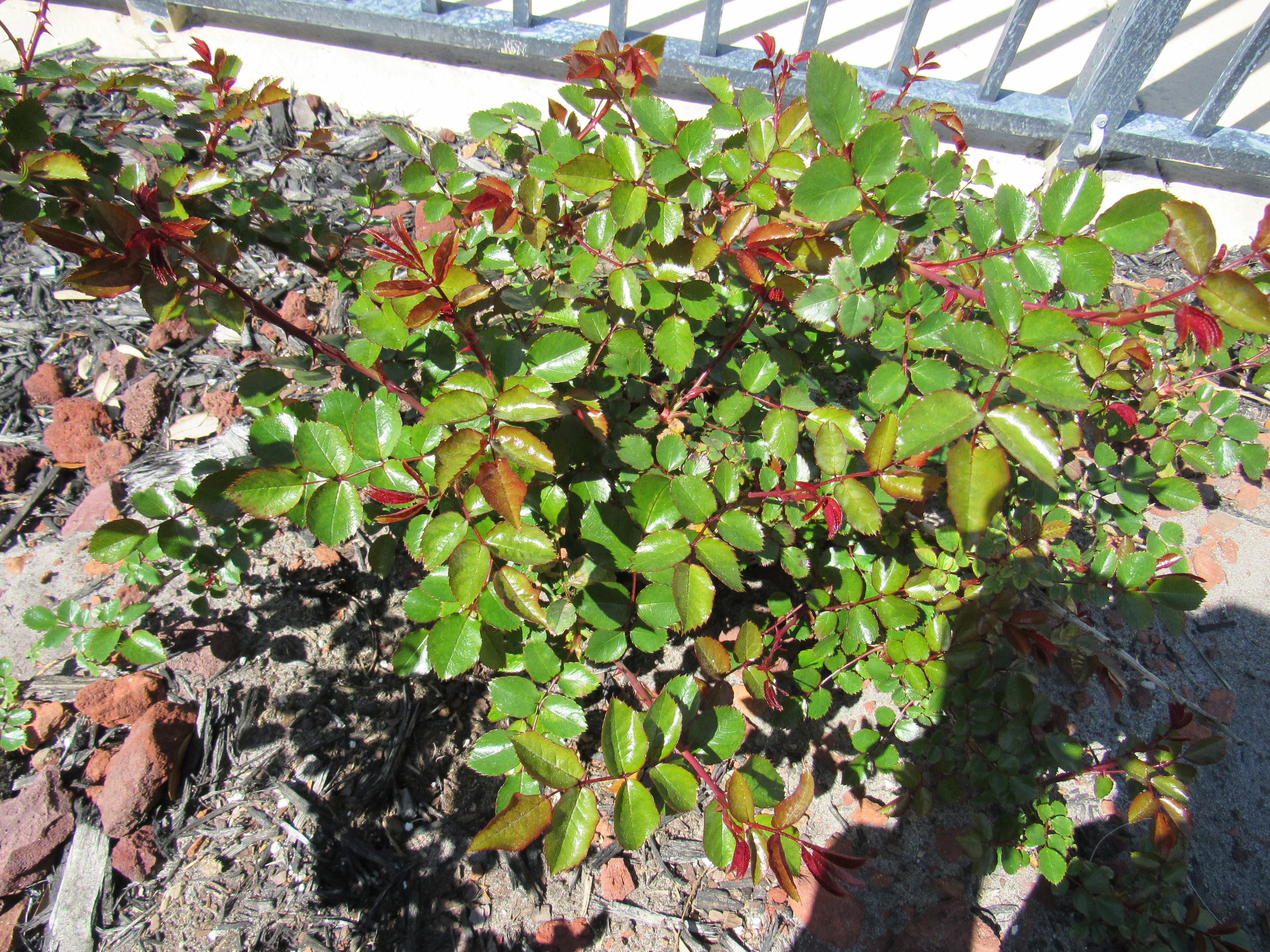
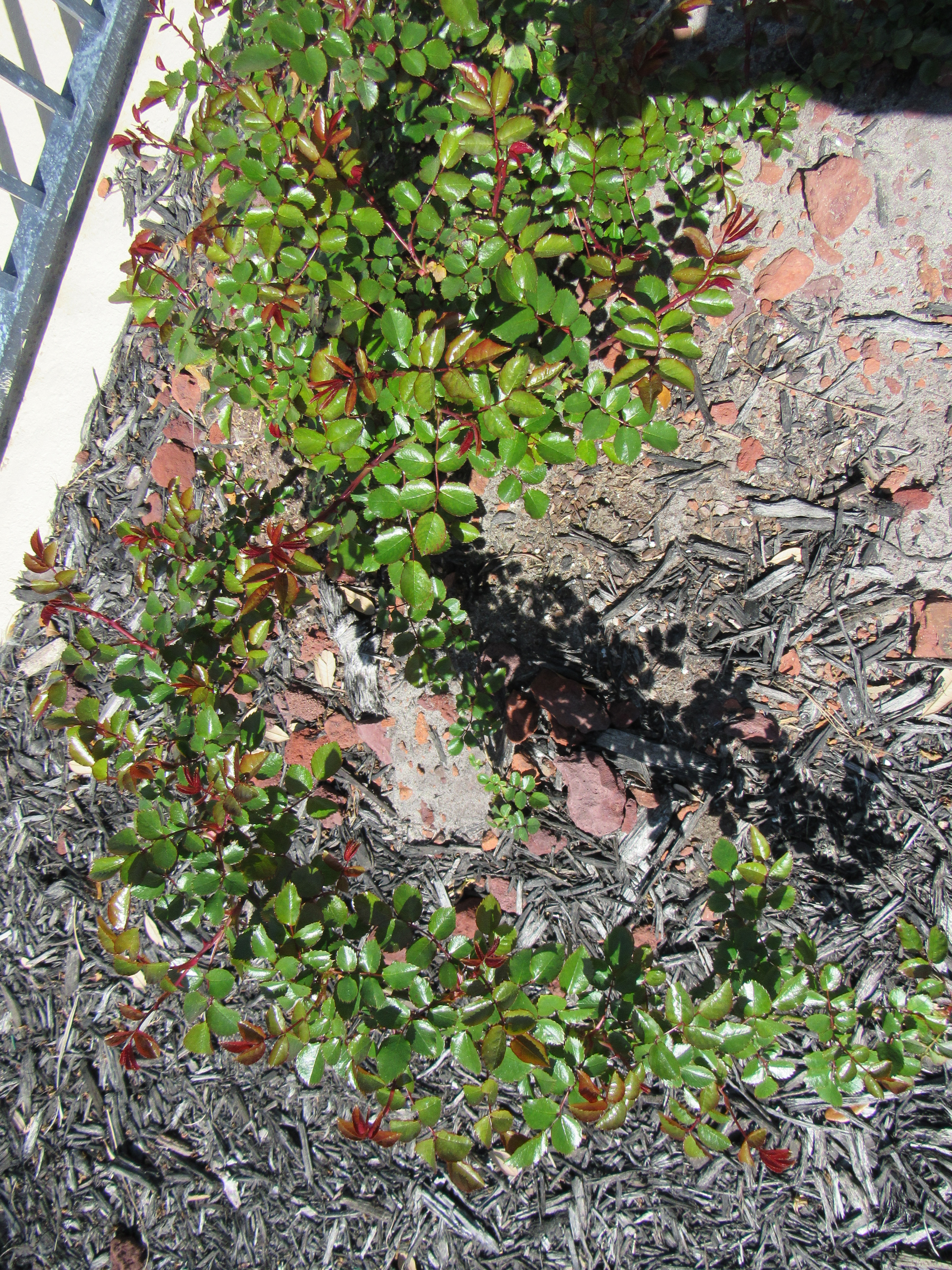
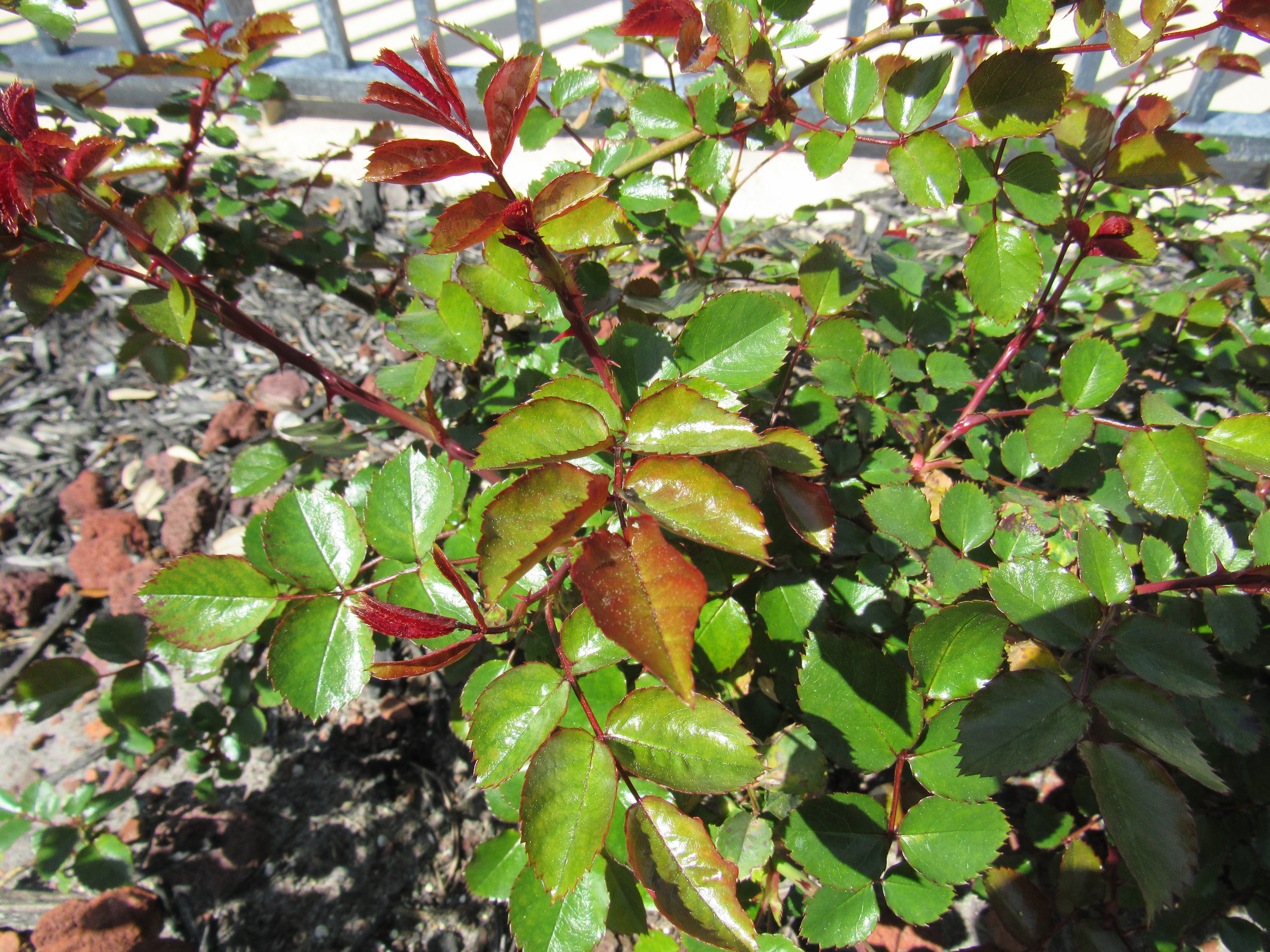
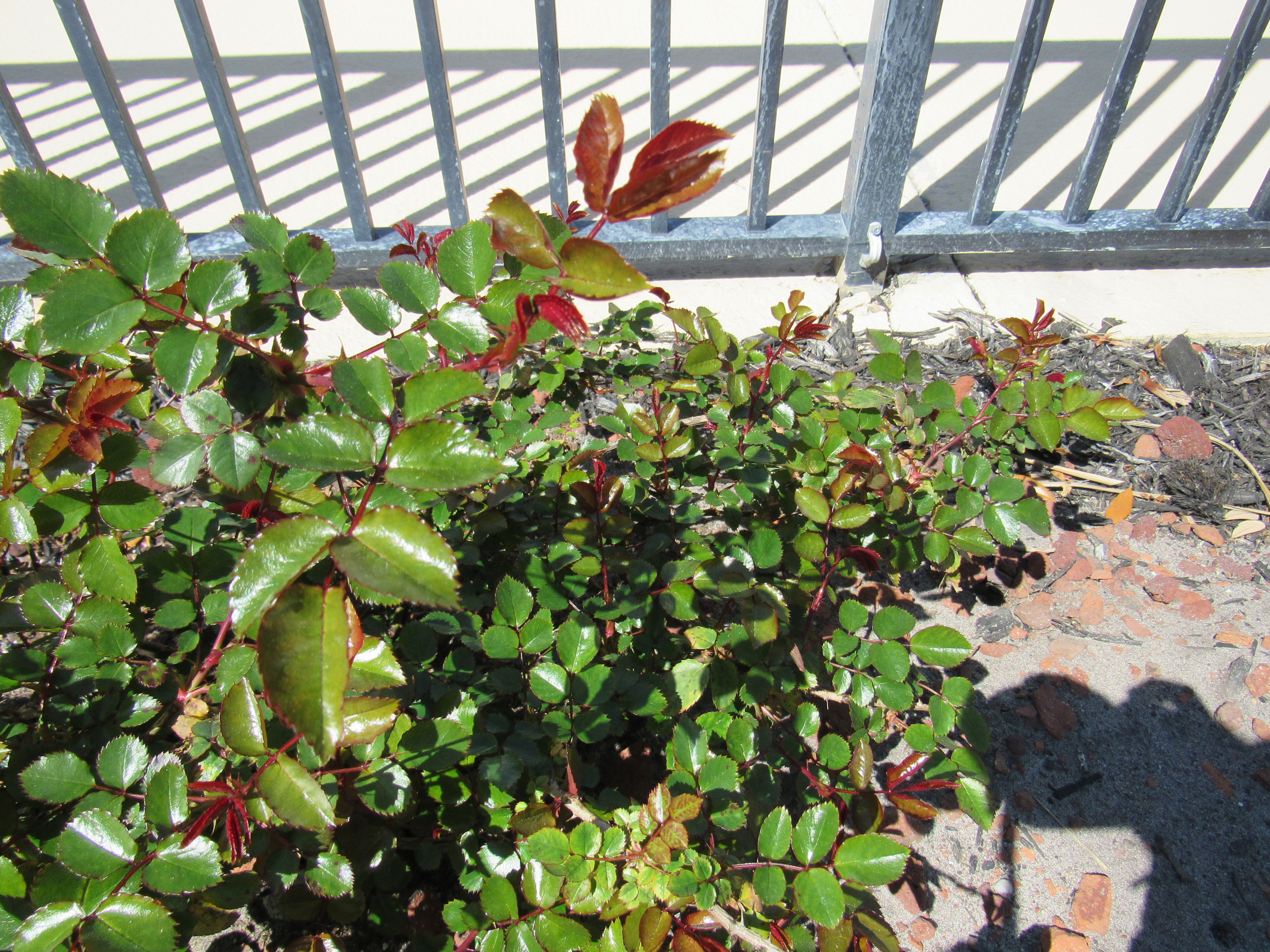
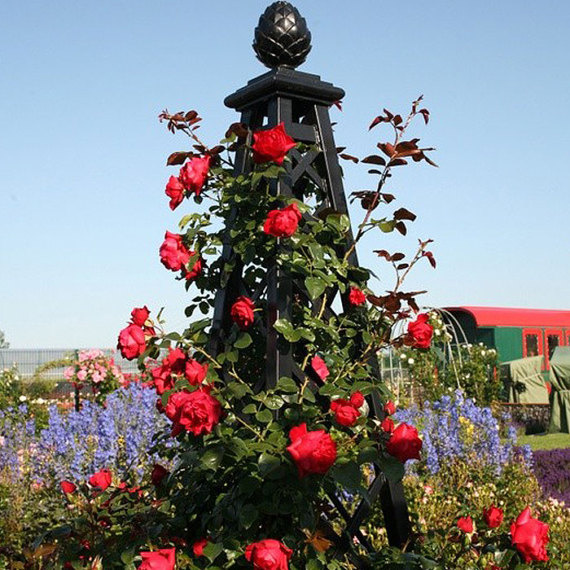
Since relocating my climbing Kordes rose, known as ‘Florentina’, last fall, she is showing positive signs of healthy growth this March. In a previous post, I noted that Florentina was failing to thrive on my beach balcony, but after permission from the HOA, I was able to transplant her into a sunny garden bed here in my condominium community.

Thus far, the foliage looks healthy and she certainly is growing sprawling canes. I hope to see her produce luscious blooms of brilliant red in the near future!

IMG_5385IMG_5386IMG_5387IMG_5388

Florentina Transplated

il_570xN.1183142573_igah

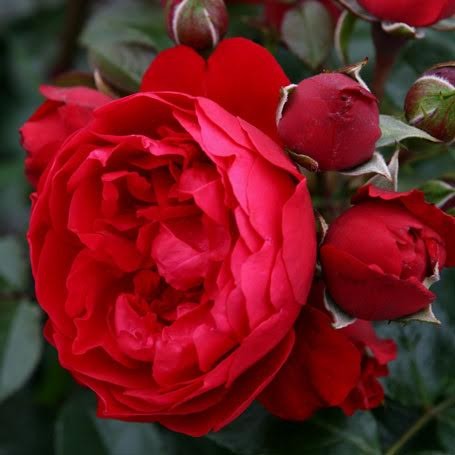
Florentina, a climbing Kordes rose. (photo credit unknown)

Since moving to the beach earlier this year, I purchased and planted 2 potted roses to decorate my barren balcony. How hard it was for me to surrender my splendid rose garden back in Pennsylvania! Ironically, my $5 Walmart special rose, known as Miranda Lambert, a hybrid tea, has bloomed beautifully over and over again; yet, my $40 mail ordered climbing rose, known as Florentina, hasn’t bloomed once! Go figure!

After fussing over her and trying numerous tactics imploring her to produce a rose bud, I finally decided to seek permission from the HOA to transplant her to a garden bed here in my condominium community. Thankfully, the Board graciously agreed to accommodate my rose plea. On one warm day last week (it is reaching the 60’s and low 70’s here in Myrtle Beach), I relocated Florentina from her pot to a sunny garden bed. I read online that the more petals a rose has, the more light it will need to flourish.  Although the morning sunlight was sufficient for Miranda, Florentina, my climbing rose, evidently has higher standards. Get it.. climbing rose..higher standards? 😉20171124_124223[1]Florentina has numerous petals (more so than Miranda Lambert) so I am hopeful she was producing blind shoots (canes with no buds) due to inadequate sunlight on my balcony. In the few days since transitioning her to new soil, she has produced numerous fresh leaflets. In time, I hope to finally see her reach her full potential by producing blooms of scarlet red…
florentina

Florentina should produce blooms of scarlet ruffles. (photo credit unknown)

In the meantime, I will enjoy the ongoing blooms Miranda Lambert continues to bless me with.

MirandaLamberNov2017

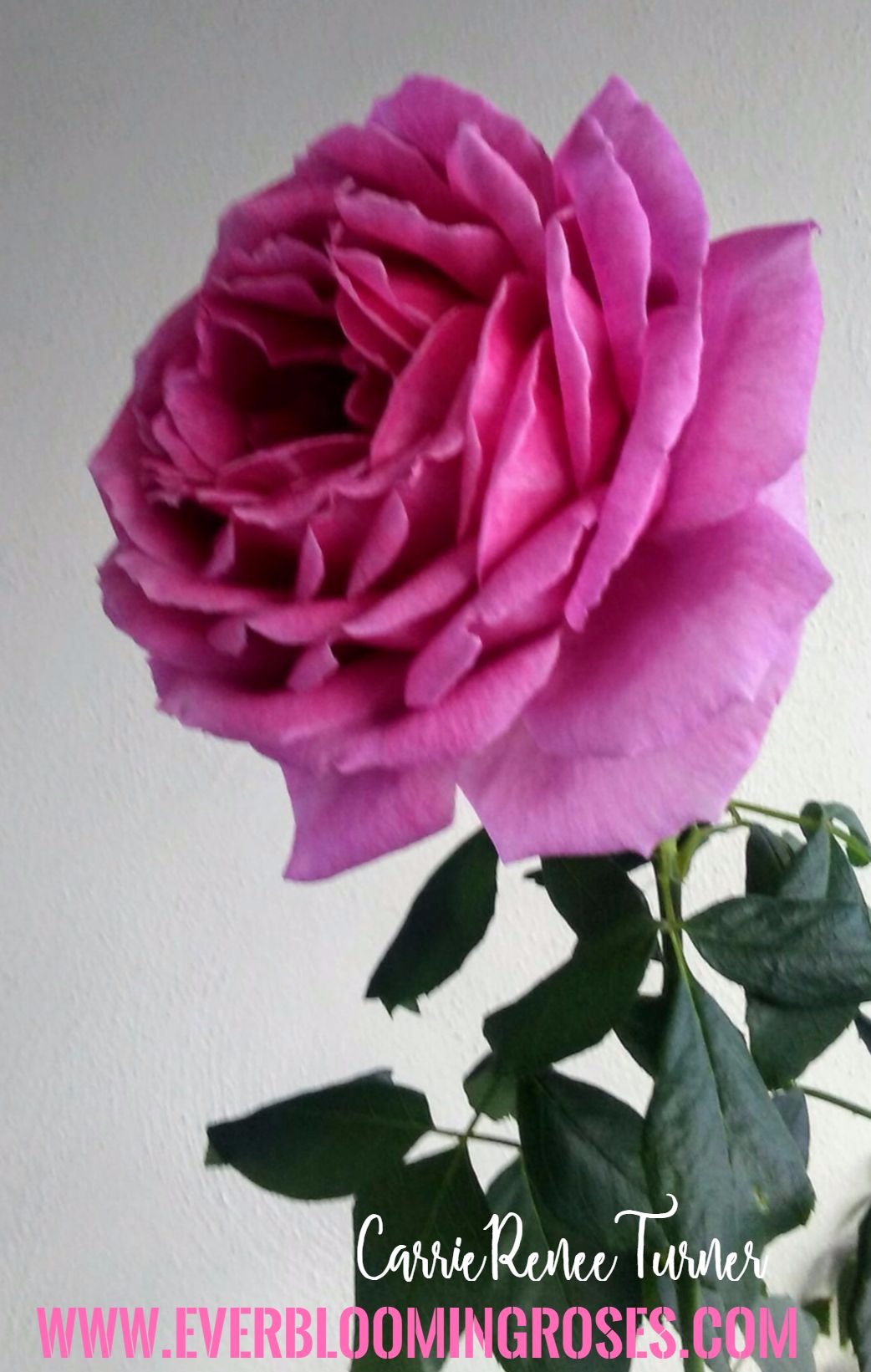
Miranda Lambert, a hybrid tea rose, produces fragrant petals of pink.

Trust The Process

sweetpea fence

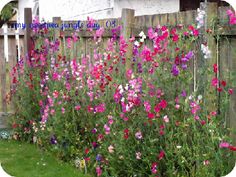
Sweet Peas grow up to around 6 feet tall with a variety of colors! {photo credit: unknown}

If you ever want to experience joy while refining your level of patience, then nurturing tiny seeds into seedlings and eventual full grown veggies or other blooms is a process to trust. For the past several weeks, I’ve watched Sweet Peas evolve from tiny round seeds to long slender stems with several small leaves. Around the time they were ready to be transitioned to the great outdoors, our area experienced an ongoing winter-like cold snap that lasted for a couple of weeks preventing me from transplanting them where they could reach their full potential. Meanwhile, my Sweet Peas were getting so tall they were flopping over and their roots were attempting to break forth from the seedling cell pack I originally started them in.

20160323_135938.jpgAs I impatiently waited on the Lord to intervene in our wacky weather, He softly spoke to me about how the conditions weren’t right for the seedlings to flourish or put another way, the seedlings weren’t ready for the demands of the external conditions. Much like we, as baby believers, may grow suddenly and are eager to get out there to lead or teach, but often we simply aren’t ready for the conditions we will have to endure. Just as there is a “hardening off” process where I have to slowly introduce the seedlings to the ideal external conditions by placing them outdoors for a few minutes a day for several days until they are  ready to be permanently exposed to the outdoor environment, people of faith need to be raised up and gently prepared prior to blessing their surrounding environment with fragrant blooms or refreshing fruit. Otherwise, the chilly nights, scorching sun, or unexpected storms will quickly snuff out our enthusiastic seedling forever ruining the patient process of producing anything substantial or eternal.
VintageWeddingSweetPeas-1024x682

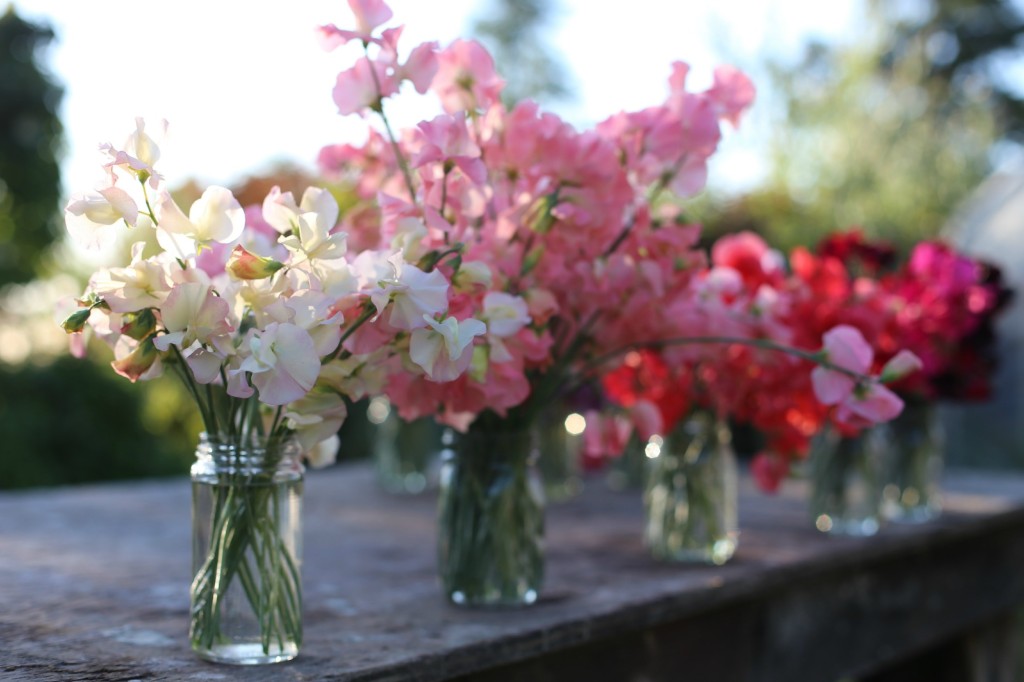
Sweet Peas bouquets {photo credit: Floret Flowers}

With everything, there is a process – a process we must learn to trust. If you are willing to display the fruits of God’s Holy Spirit, if you are willing to dispense the sweet aromas of God, if you are willing to be overcoming and ever-blooming for Him, then you have to first be willing to go through the process of growing up in God until the conditions in your heart and surrounding circumstances are ready and able to bear fruit. Be encouraged and diligent though as your roots deepen and stems thicken for a time will come when He will transplant you providing you with ample opportunity to manifest His glorious blooms securely planted in Him!

For step by step directions on how to grow Sweet Peas from seed, check out this helpful article by Floret Flowers.