
Sometimes life brings us into seasons of captivity—circumstances that wound our spirits, diminish our hope, and leave us longing for an exodus of our own. For me, one such captivity came through domestic and familial violence, the painful reality of being abused by those I once believed would protect and provide for me. There is a particular sorrow in discovering that those entrusted with our care can instead become the source of our suffering.
Yet Scripture reminds me that even in the darkest circumstances, God is still at work. Joseph’s story is a powerful testament to this truth. Betrayed and oppressed by his own family, Joseph nevertheless became an instrument of God’s providence, ultimately bringing preservation and blessing to others. Generations later, God heard the cries of the oppressed descendants of Joseph and intervened, sending Moses to lead His people out of bondage. The Exodus became a declaration that suffering does not go unnoticed by God, nor is captivity necessarily the final chapter of our story.
In time, God cultivated an exodus in my own life. And somewhere along that journey toward freedom, He used gardening to help restore what had been wounded within me. Tending roses, nurturing seedlings, and watching dormant plants awaken became more than horticultural pursuits. They became reminders of grace, renewal, and the quiet miracle of life emerging after seasons of hardship. My garden became a sanctuary where healing could take root and gratitude could bloom.
With a heart overflowing with gratitude for a God who graciously heard my desperate prayers, I want to spend my life cultivating hope and encouraging growth in others who may still be awaiting an exodus of their own.
That desire once led me to become a certified domestic violence advocate, facilitate faith-based support groups in my home, and establish a nonprofit that provided housing for pregnant survivors of domestic violence and their children. Although that chapter of hands-on ministry has ended, the calling to encourage those who are hurting remains.
Perhaps this is why I continue to write about gardens, faith, and the beauty of becoming. My hope is that something growing within these pages might reach a weary heart, encourage someone still walking through a difficult season, or remind a wounded soul that God has not forgotten them.
After all, gardens teach us something beautiful about healing: even after devastation, life can return. Even after pruning, new growth can emerge. And even after the longest winter, roses can bloom again.
May the words and reflections shared here plant seeds of hope in hearts still awaiting their own exodus, reminding each reader that captivity need not be the end of the story, that healing is possible, and that with God’s grace, even the most wounded places can become ever-blooming gardens.
If you are a loved one of a person currently in a toxic and abusive relationship, it is critical you do the following to best help your loved one:
- Educate yourself on domestic violence. There are many variables involved and no easy solutions. Refrain from saying things like, “Why don’t you just leave him/her?” or exuding any form of victim-blaming. To learn more, click here http://stoprelationshipabuse.org/educated/avoiding-victim-blaming/
- Ears open. Understand victims of domestic violence are often gaslighted and bombarded with lies and negative comments from their abusers as well as ignorant, insensitive people. How you respond to the victim is a matter of life and death. The best thing you can do for your loved one is to listen.
- Explore and Empower. You cannot fix their situation and you do not know what is best for the victim. They, however, know their circumstance and abuser best. It is important you help them explore all options and think through potential outcomes for better or worse and then empower them to make the best and safest series of decisions for themselves and their specific circumstances. Refrain from making decisions for them or forcing them to take action.
- Encourage the victim. Please be patient and encouraging as you listen to the many exhausting emotions, patterns, and variables the victim will experience. Be aware a victim of domestic violence often attempts to leave or indeed ends the relationship only to return on average 7 to 9 times before finally terminating the relationship. It is important you do not say anything negative about the abuser to the victim for she/he will not return to you for advice or help once she/he reconciles with their abuser. Leaving is a process – not an event. Also, be aware when a victim of domestic violence attempts to terminate the relationship, that is when the victim’s life, as well as her children or pets, are most in lethal jeopardy. She cannot “just leave.” By encouraging her to do so, it could be signing her death warrant – particularly if weapons are in the home.
- Evolve. Eventually, by planting seeds of love and hope in your loved ones as you implement these methods listed above, in time, the victims will hopefully free themselves from such pestilence or suffocating weeds when they believe it is safe to do so and be “ever-blooming” despite life’s prickles.
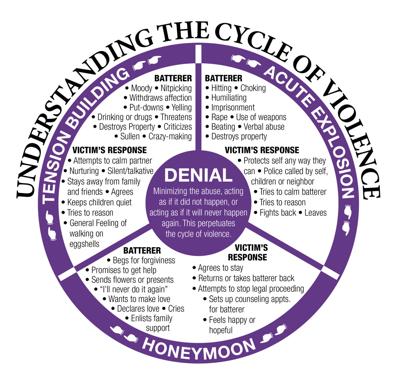
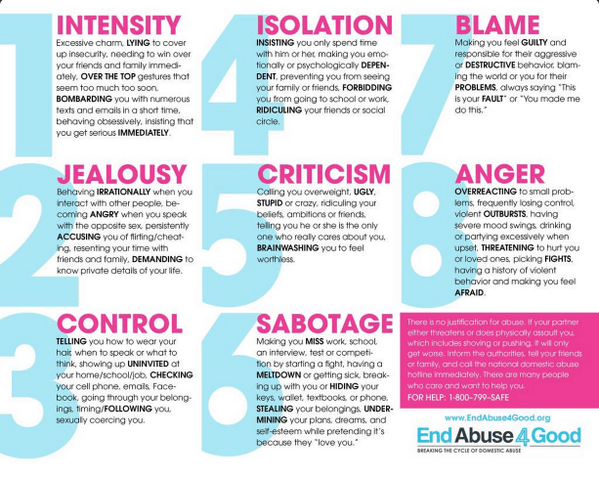
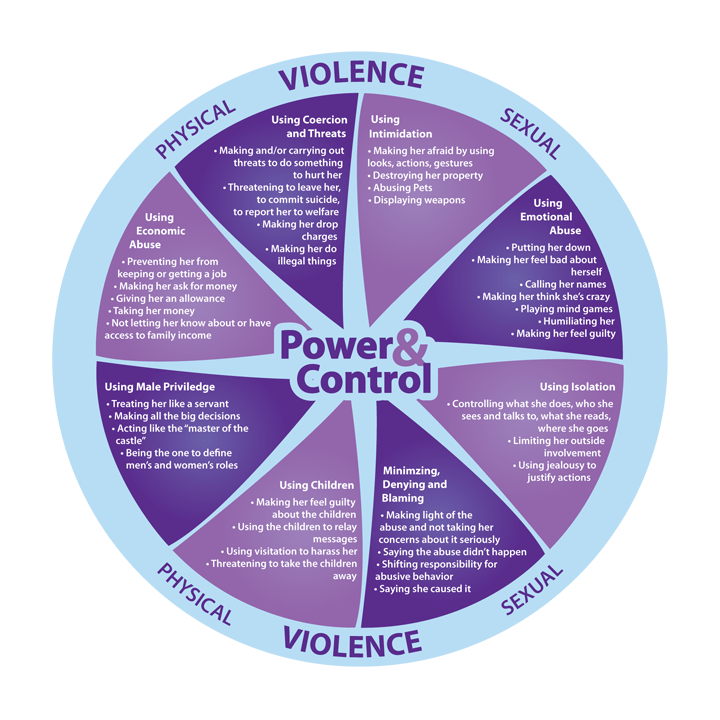
Also, it should be noted any gender can be abusive, and false or exaggerated accusations can be made to suit the agenda of another. The following graphics are not my own but are helpful as one learns to discern abusive dynamics.
“My life is an example to many, because you have been my strength and protection.” Psalm 71:7

