Yay! We made it to Spring! I recently launched a faith-based, online, gardening club that discusses gardening-themed books and what we’re learning in the garden! Join us on Facebook, and share your garden-themed books and blooms! Look for the “Books and Blooms Club” on Facebook or click here.
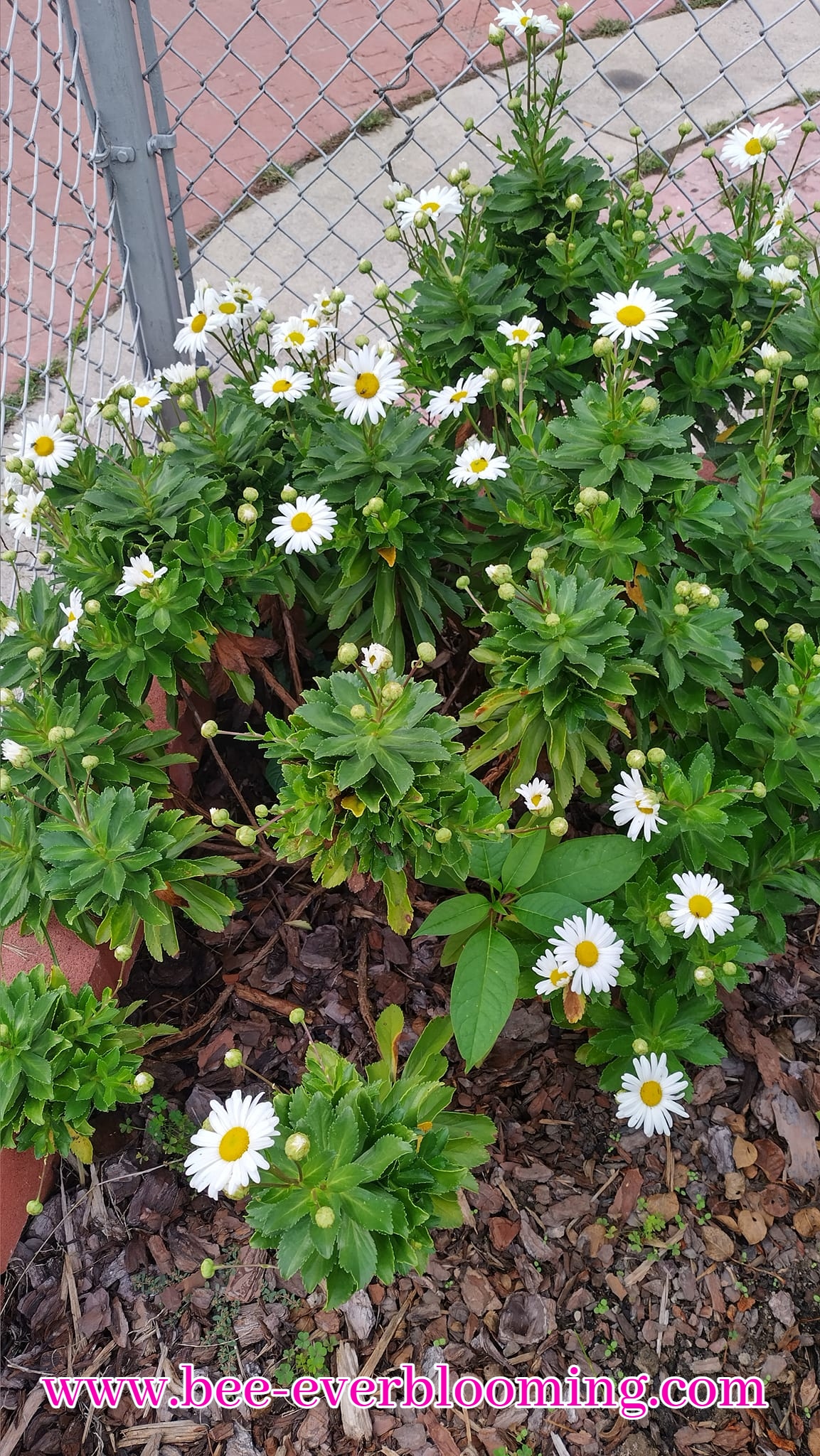
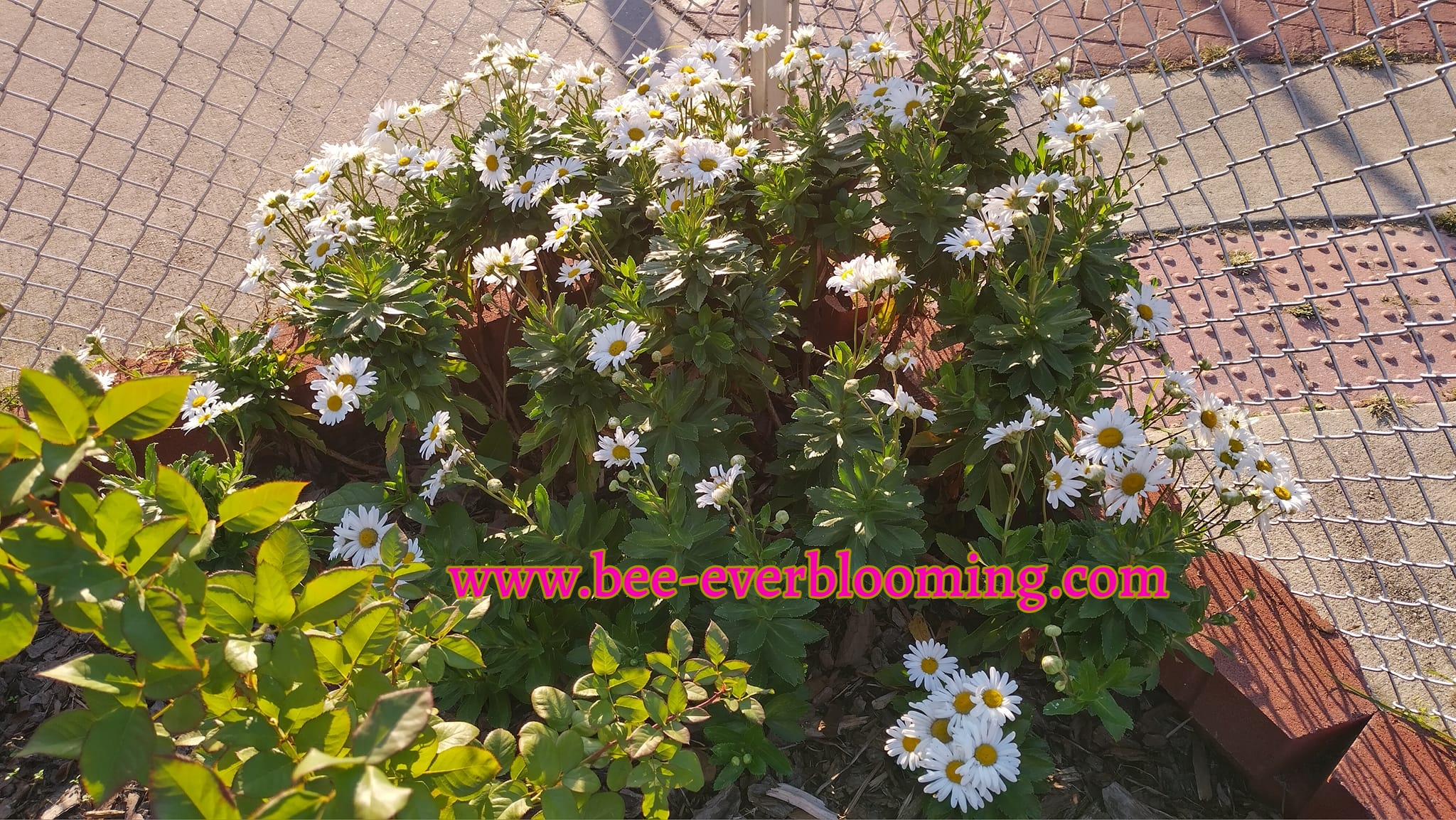
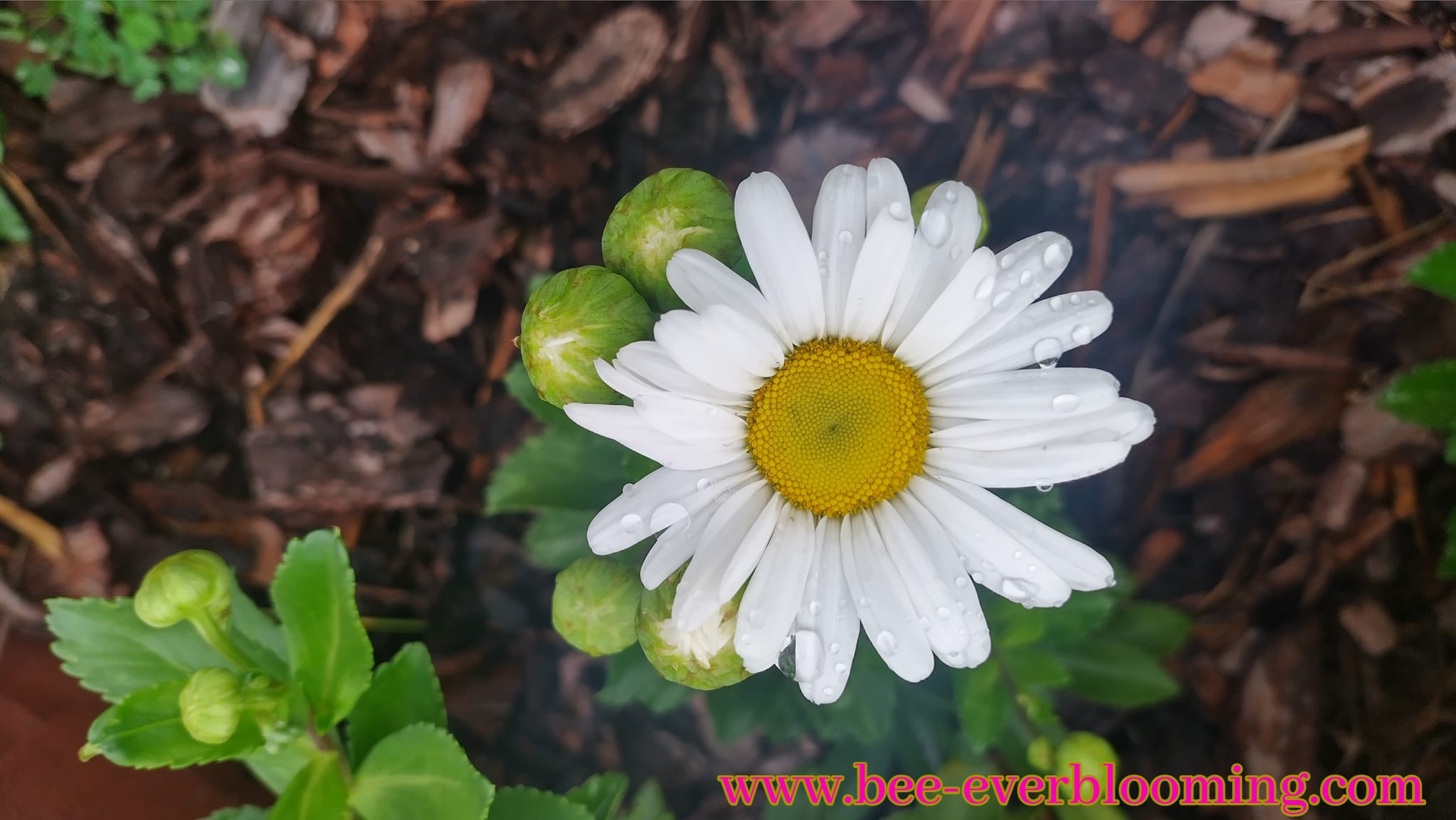
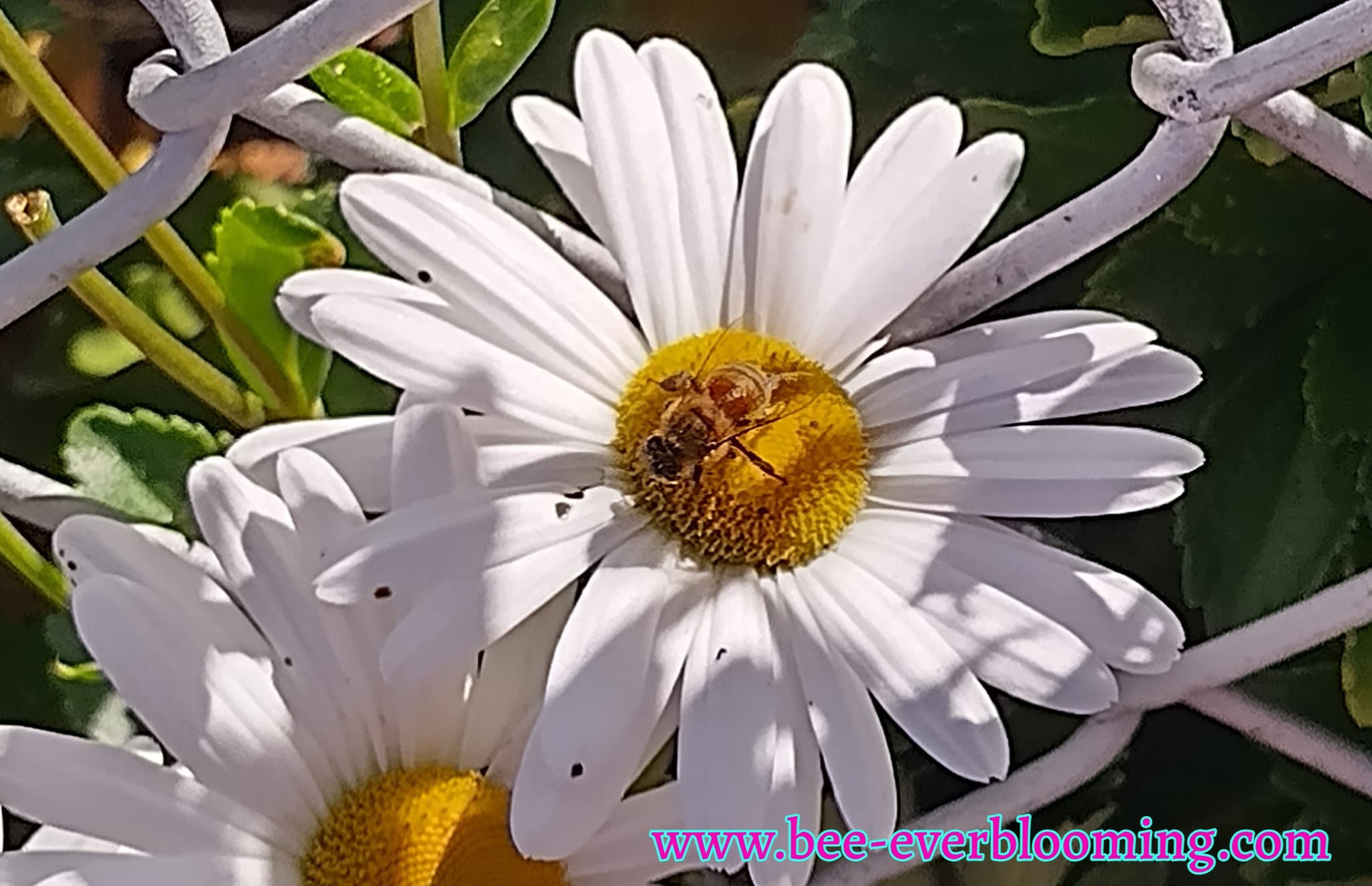
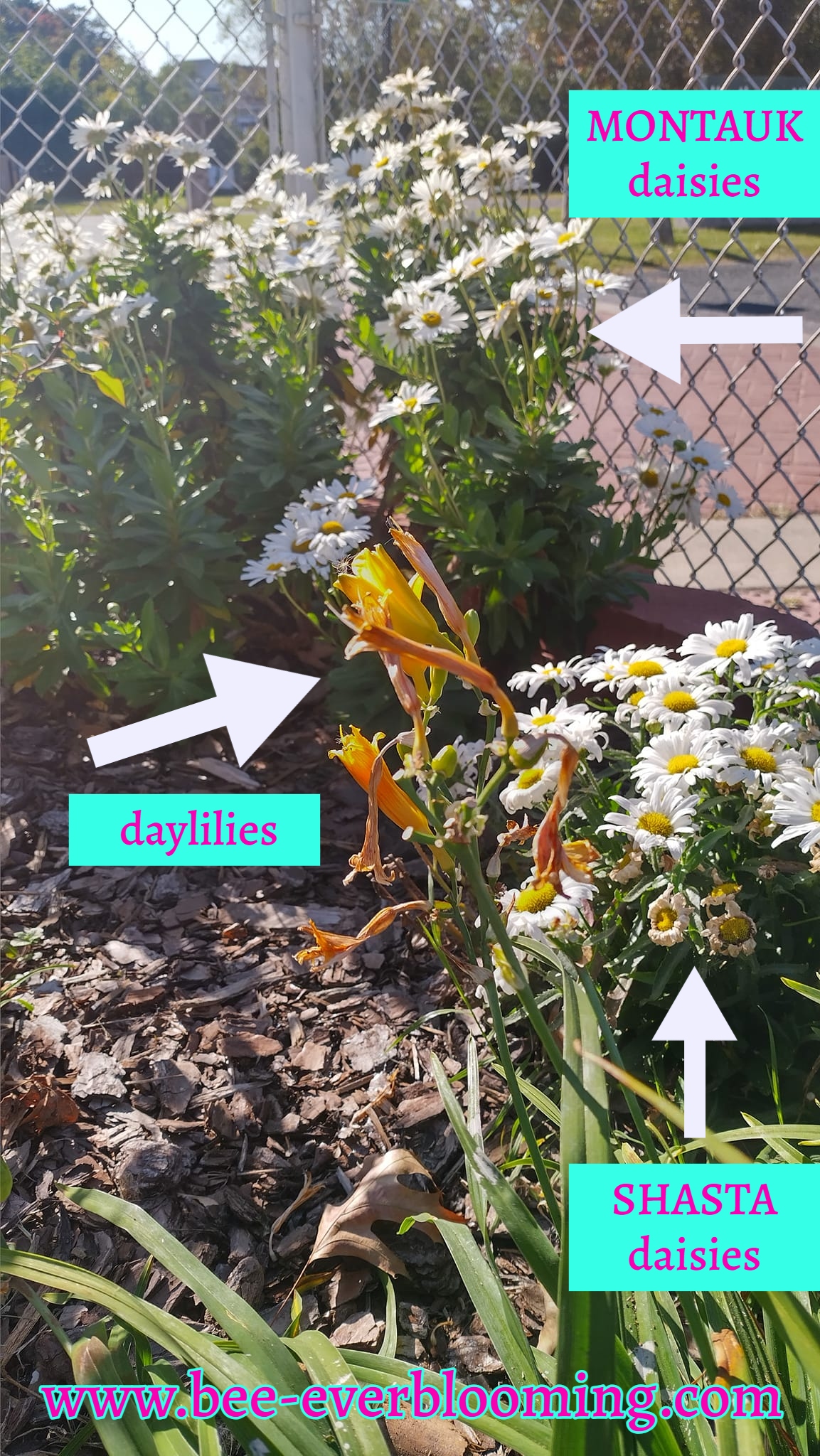
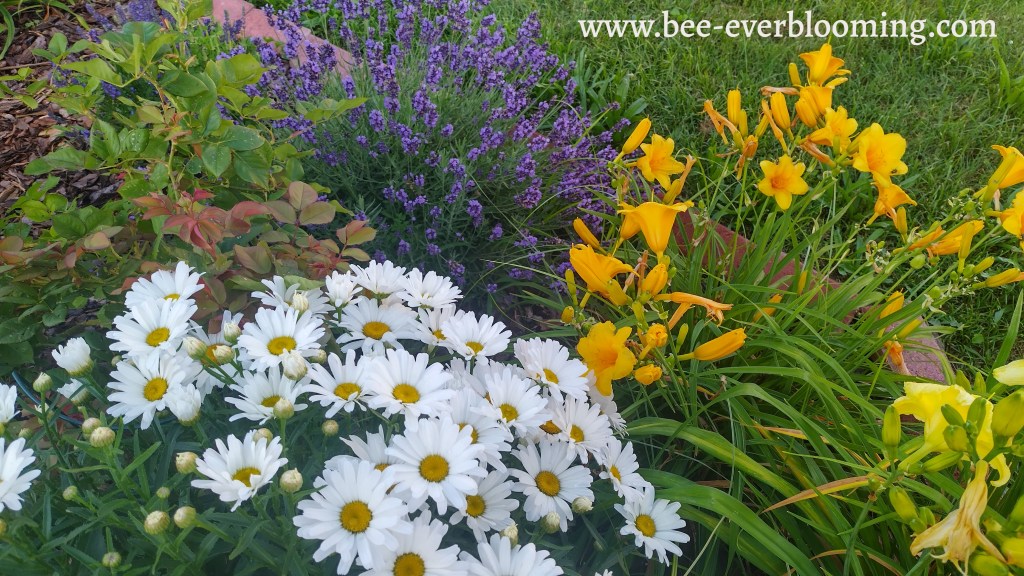
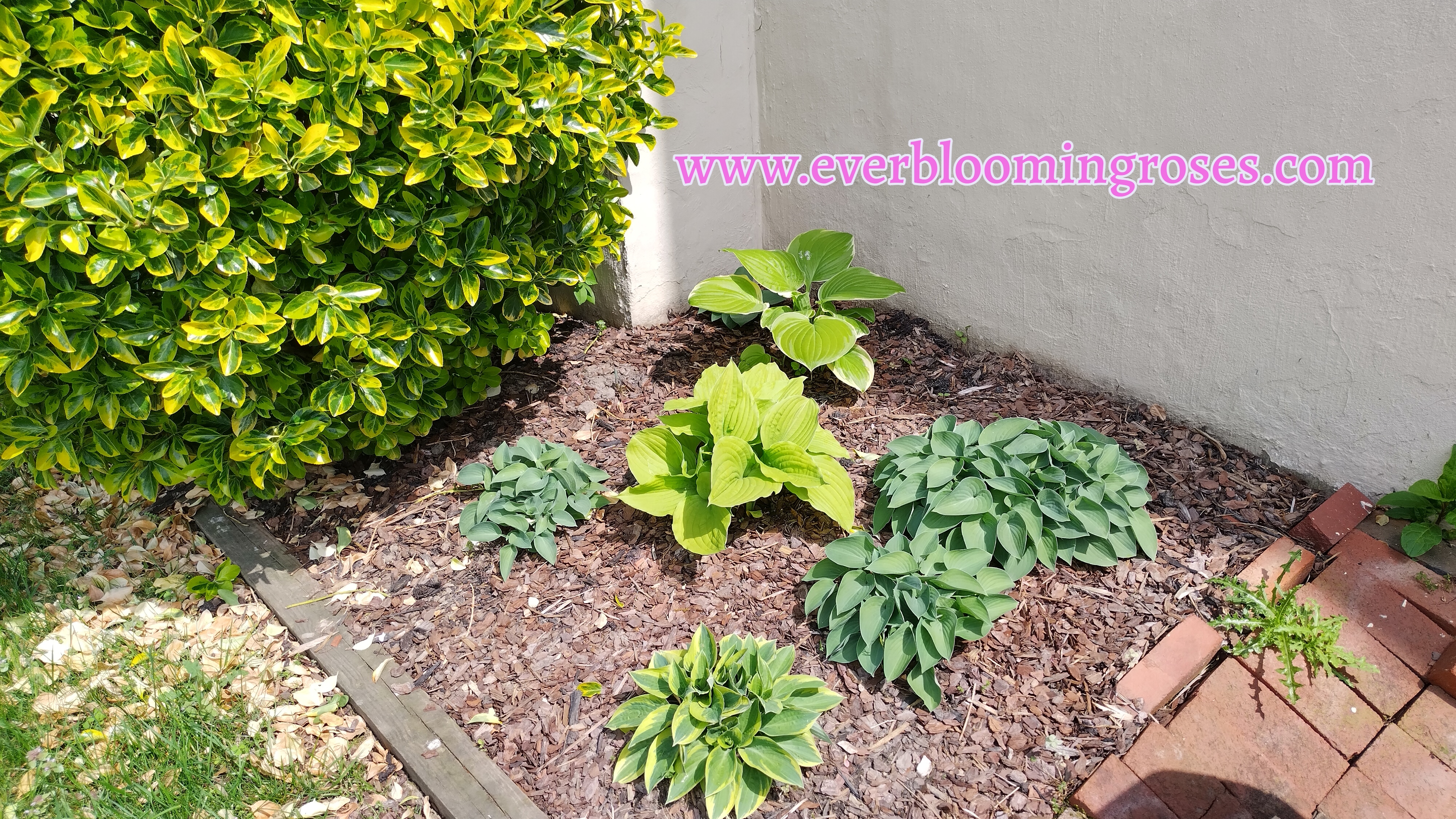
Happy fall, y’all! I’ve been enjoying the fall temperatures and the praying mantises that live in my garden. These are likely the same babies that I discovered in May on my back porch. Also, the Montauk daisies that I planted last year finally bloomed. The large, foliage of Montauk daisies feels like wax. Montauk daisies, not to be confused with Shasta daisies, only bloom in the fall whereas Shastas are repeat bloomers. This fall, I had both types blooming at once! A few weeks ago, I planted additional ‘Sweet Drift’ roses to finish a pink hedge that borders my neighbor’s fence, and transplanted rosemary and hostas to new locations. I trimmed an overgrown tree that blocked an exterior light and mulched some beds. The garden is ready for winter now. Just in time for a first freeze tonight.
Sea Myrtle also known as Salt Myrtle produces fluffy white blooms, is loved by the bees, and blooms profusely in my area.
I’ve been so busy taking multiple college courses while working full-time as a paralegal that I not only haven’t posted in several weeks, but my everbloomingroses.com domain name registration lapsed and was snapped up by a mysterious organization – probably to sell it back to me for an exorbitant amount. Subsequently, I’ve launched a new and improved gardening site, Bee-Everblooming, with the domain name http://www.bee-everblooming.com. I suppose like nature, even domain names can be reincarnated or reborn as something new!
As you may or may not know, this site was and still is designed to encourage the gardener’s soul. Although I have not been able to post lately, thankfully, my hard work in obtaining a Bachelor of Science in Legal Studies may be starting to pay off as I was recently invited to bee 😉 a member of the Lambda Epsilon Chi (LEX), a national honor society for paralegal and legal studies students with a high GPA. I suppose there are advantages to finally finishing your degree in your forties – you not only have life experience to assist you, but you actually care about your grades! Ha! After I graduate next spring (2025), I anticipate sharing many more inspirational gardening tips. Nevertheless, I have been able to somewhat keep up with my ever-growing garden, but I confess the weeds are winning in some beds, and the blackspot, beetles, and borers are a thorn in my flesh. More on all that later! In the meantime, pray for me as I am discerning potential next steps to help me grow professionally, and personally.
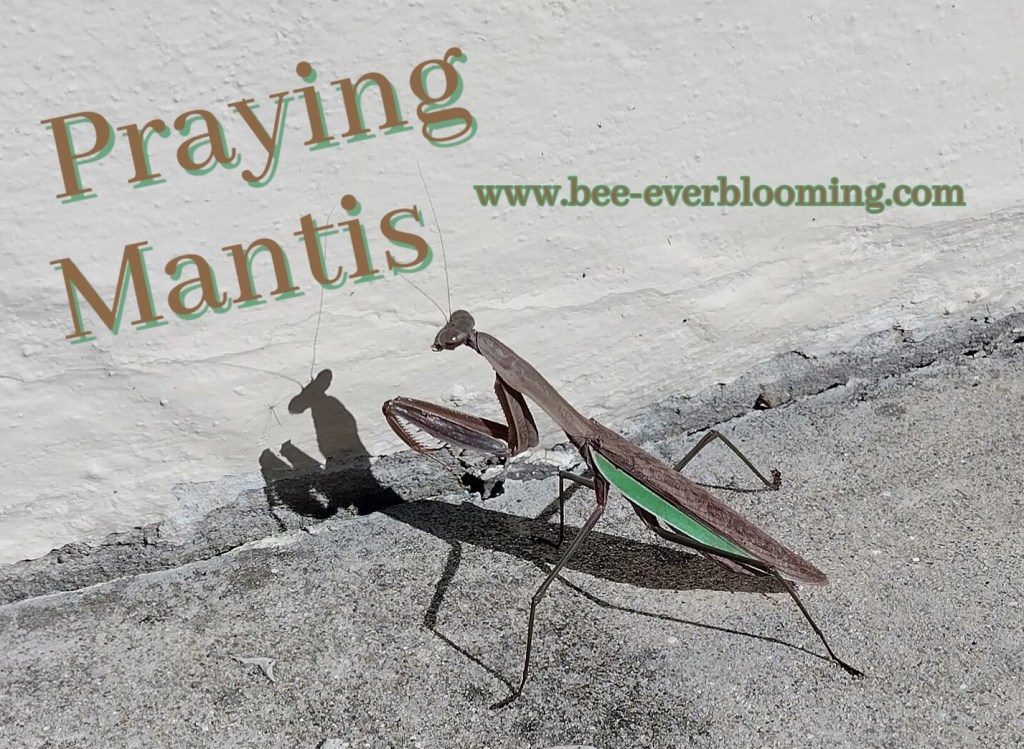
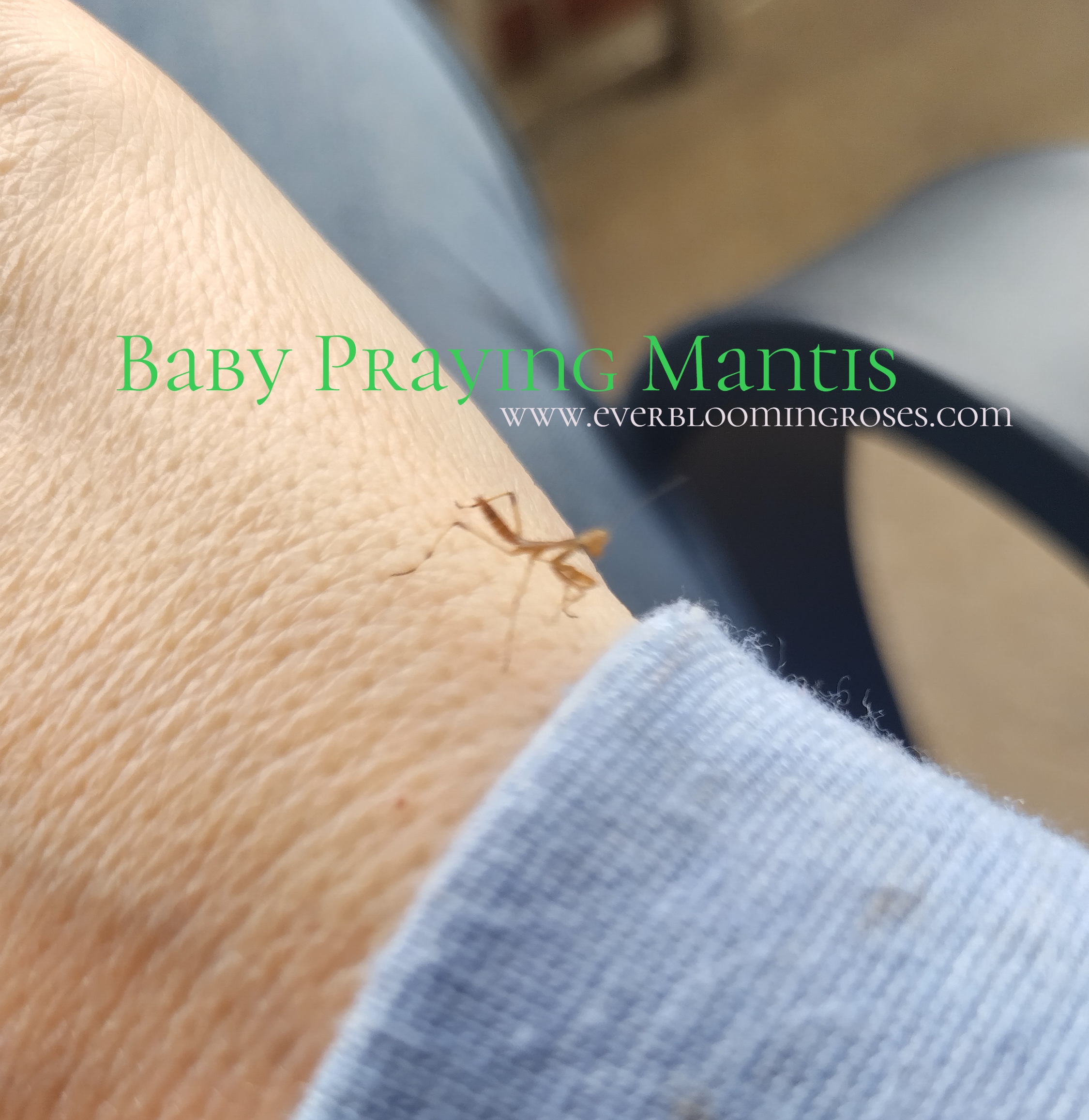
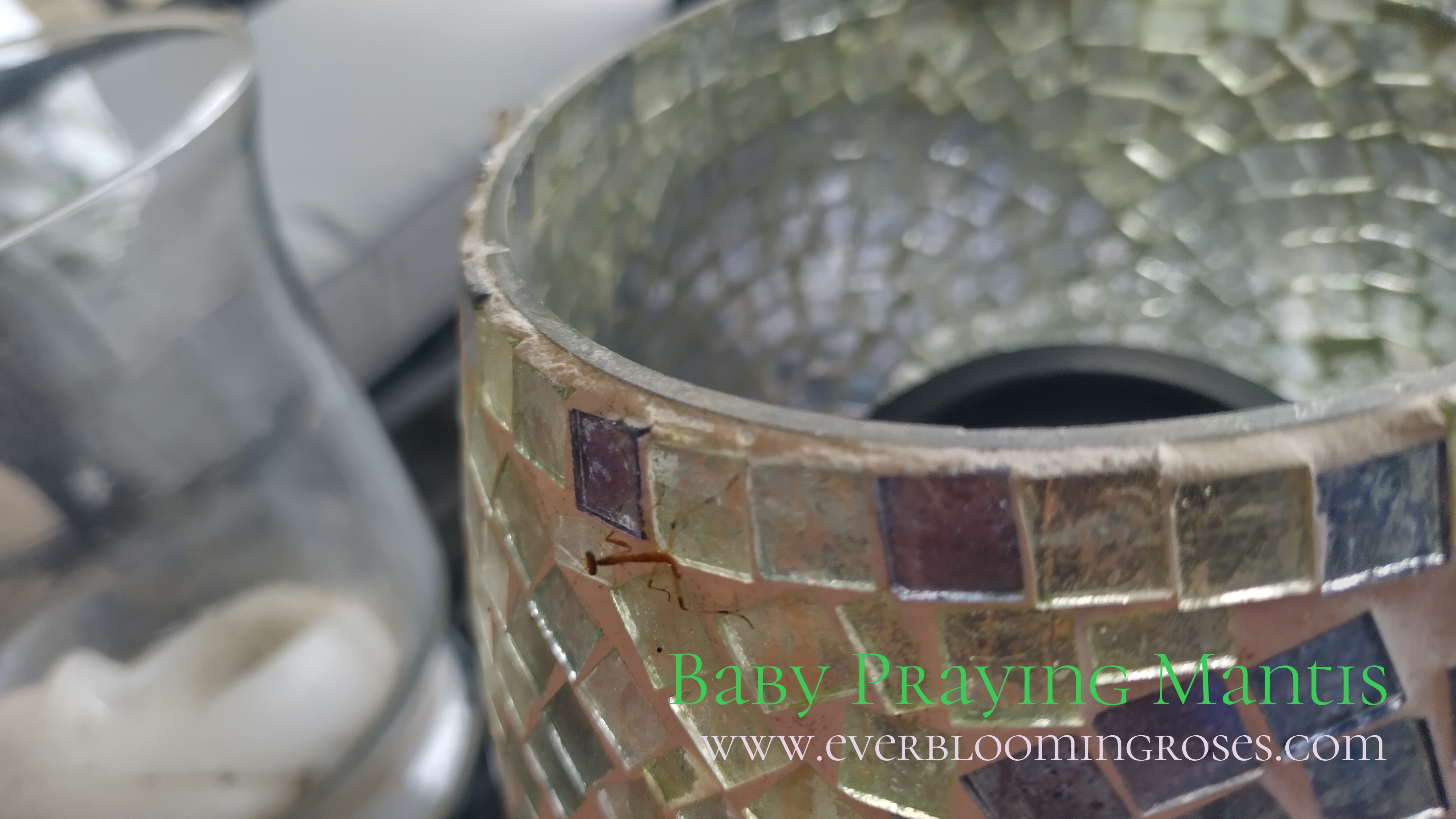
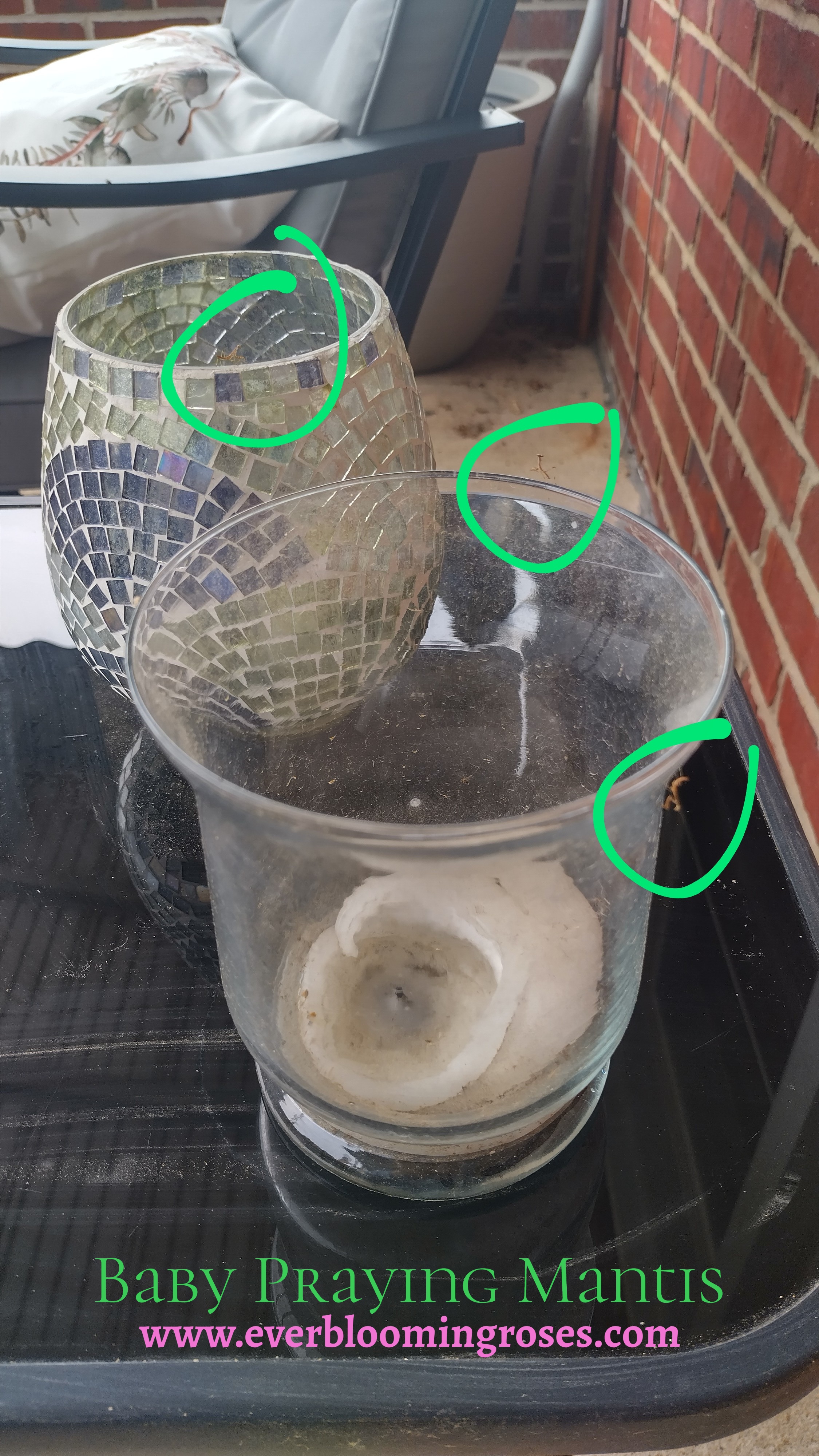
While lounging on my back porch this past weekend, I discovered minuscule insects crawling on a black patio table as well as on two candles placed on the table. After close inspection of these critters that were no bigger than a dime, I realized they were baby praying mantis! In total, I found five crawling around my patio furniture. Last summer, there was an adult praying mantis crawling on my steps, which lead to the garden from my back porch, but I haven’t seen an adult one since. Needless to say, I have been in awe while observing these little ones. Praying Mantis are considered good bugs in the garden ecosystem, and they will devour plenty of damaging insects.
What is a lesson we can learn from the Praying Mantis? Perhaps the lesson is when we take the time to pray, listen, and be discerning in our movements, we can overcome much!
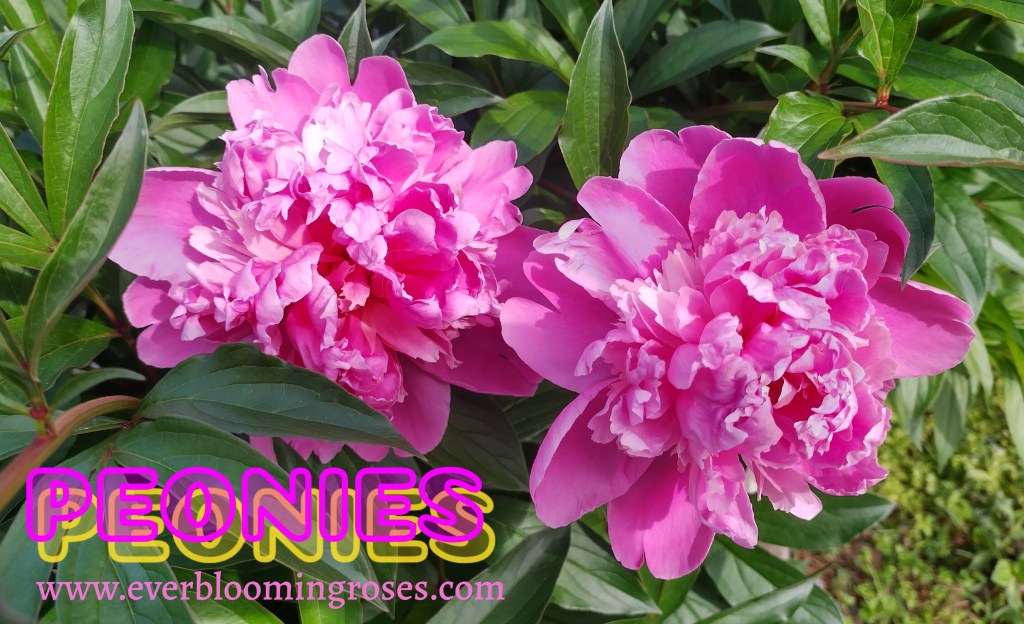
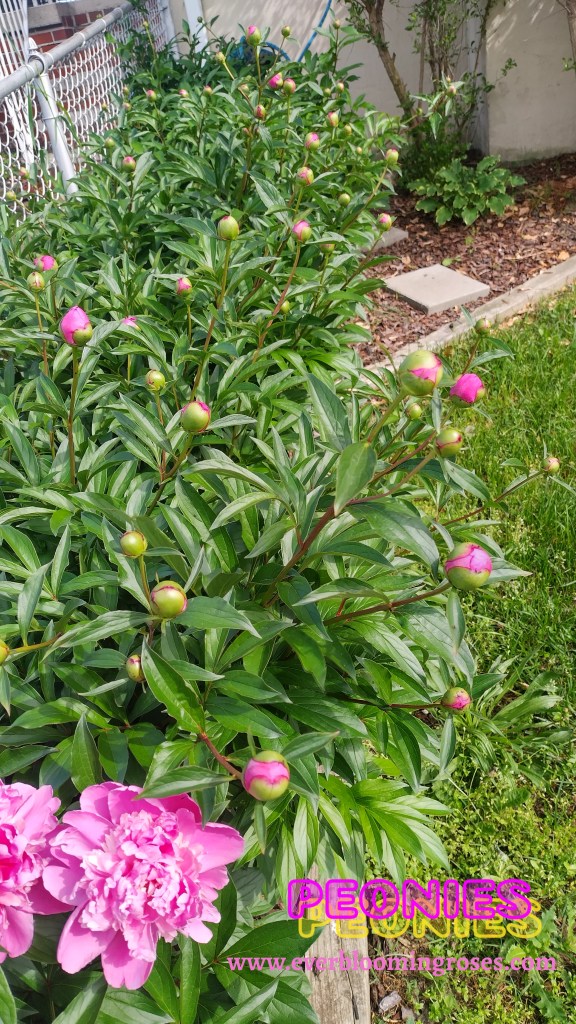
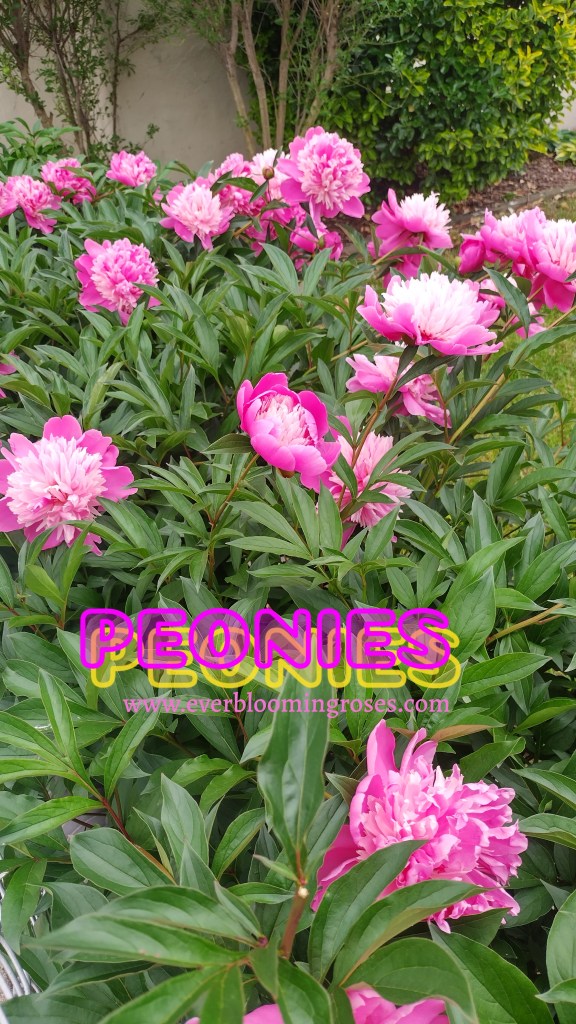
Within these last couple of weeks of May, my peonies have exploded in hues of pink and divine aroma! Peonies are once-blooming perennials, which seems like a juxtaposition. The luscious, fragrant blooms last a few weeks while the foliage remains a vibrant, shiny green until late fall when they need to be cut down so the plant will rebloom the following year. In my gardening zone of 8a here in Maryland, peonies bloom typically in May.
What can we learn from the peony? Our talents and giftings take time and maintenance to cultivate; moreover, they aren’t necessarily meant to be showcased all year long but rather in an appointed season.
The hostas are unfurling and the shrubs are stretching their limbs as everything is awakening from the sleepy winter here in Maryland’s gardening zone 8a. I’ve also been amazed at how rapidly my peonies are growing. I added plant supports that I purchased from Amazon to help support the billowing pink blooms soon enough. Once the peonies are past their peak, I plan on moving the plant support stakes over to my Shasta daisies later in the summer. At the moment, the daisies are only about six inches in height but I know in time they will grow to be nearly two feet tall. I intentionally avoided the grid-style plant support stakes so I could use these rounded ones in different areas of the garden if needed. I have immensely enjoyed seeing the growth of the peonies and hostas in recent days. The peonies have grown so much you can’t even see the support stakes!
The plant support stakes are camouflaged among the peony stalks.
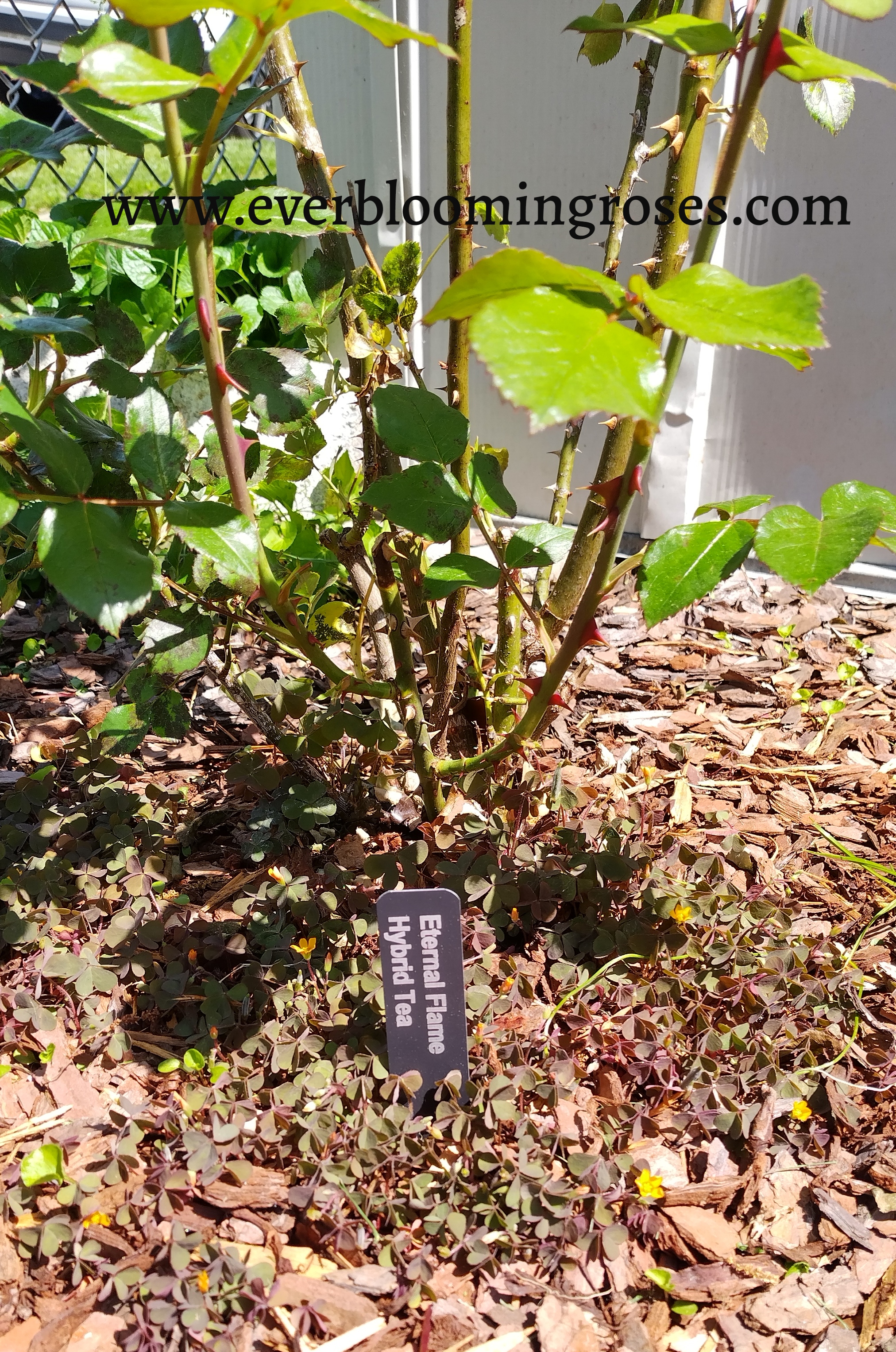
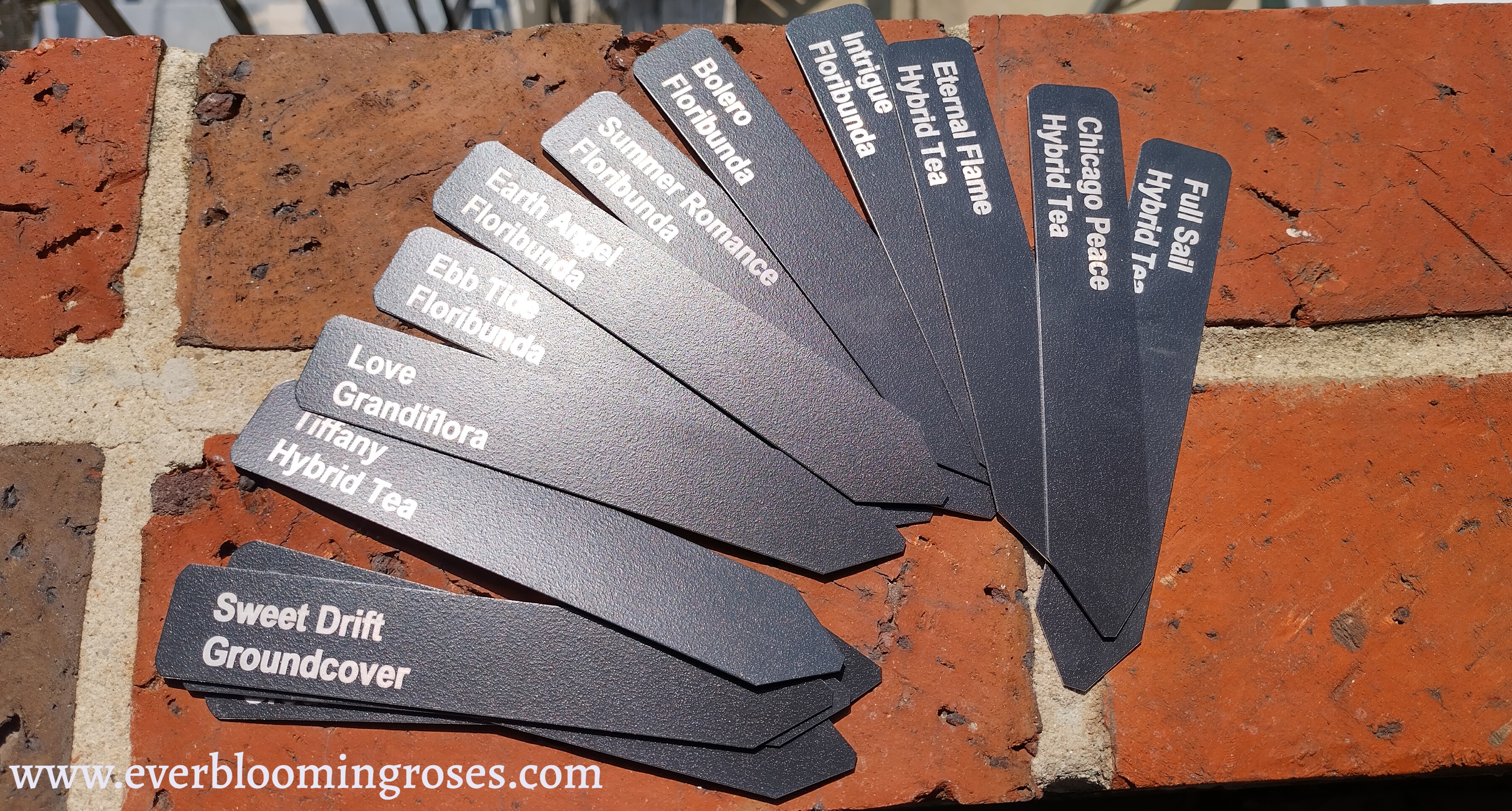
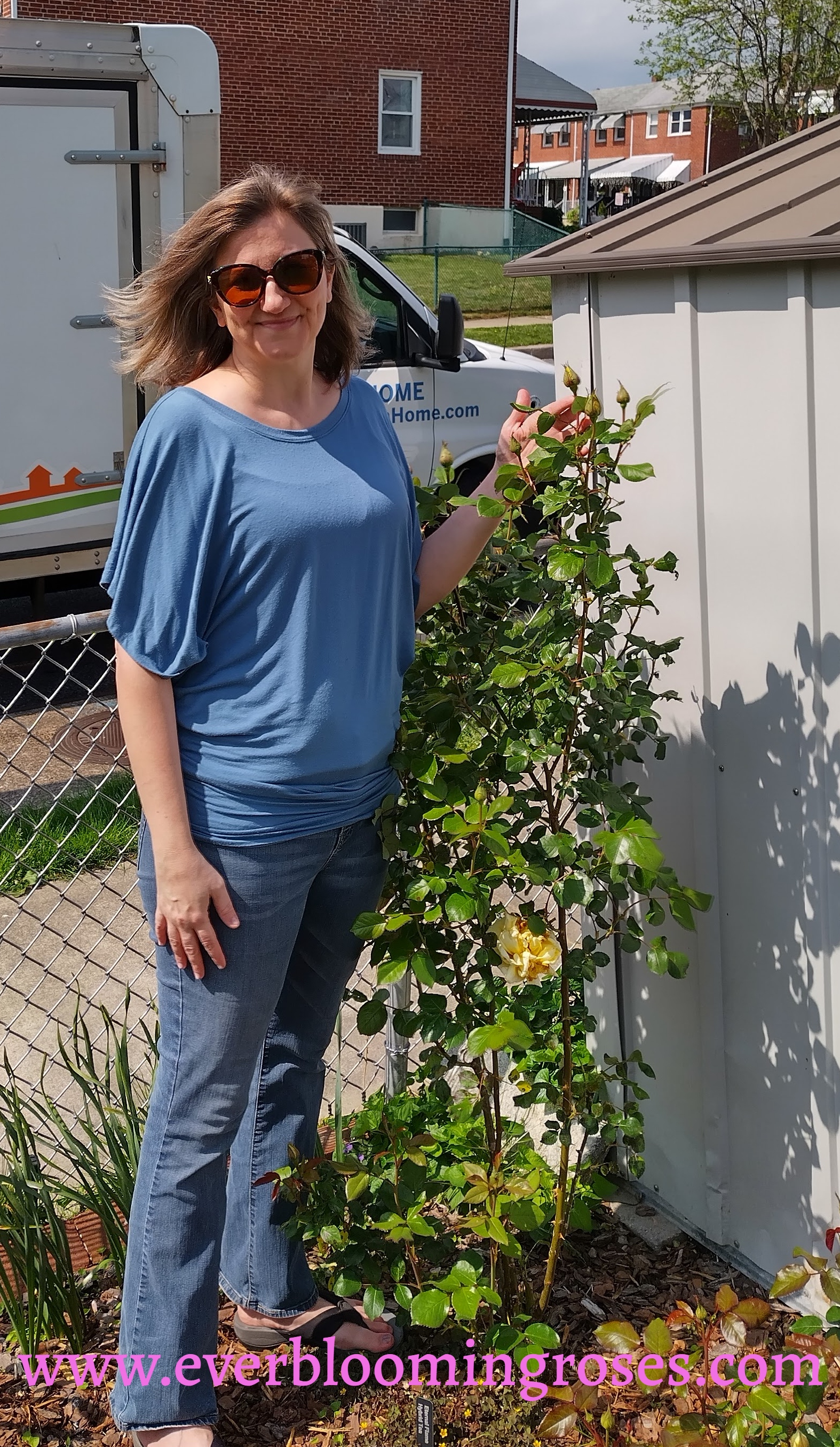
I also recently added affordable, custom eight-inch metal garden tags purchased from Specialty Garden Markers to identify my roses by name and variety at just $1.50 each. They arrived in a week and were easy to place in front of each rose. Meanwhile, my fragrant, yellow hybrid tea rose known as ‘Eternal Flame’ was the first rose to bloom in my garden, reminding me first and foremost, to keep my mind focused on the Eternal and less on the insanity of this world. This rose bush is nearly as tall as me already! I look forward to propagating it and a few others from my garden after their first flush of blooms – I’m going to try anyway!
The pink dianthus and lavender I recently planted have taken root and are blooming beautifully. I look forward to seeing them bloom in full force as the weeks go on. I’ve staggered the pink dianthus in between the lavender to create a romantic border. In a different, distant bed, one yellow lily has exploded in color but for the most part, my various plants are growing and loaded with buds. I look forward to seeing my garden burst forth soon in hues of yellow, pink, purple, and white.
While my garden is exploding in growth, I, too, am growing spiritually as I continue to study Torah/Tanakh, and I’m also expanding my education as I am about to embark on my next college course while working full-time.
Everything is growing good in my life. I guess you could say, “You grow, girl!”
Living in a classic Baltimore County, Maryland rowhome built in the early 1950s, it’s not unusual to coexist with cats and rats. As discussed in an earlier post, a neighborhood cat thinks my flower bed which hosts pink roses, is her personal litter box. Using her hind legs, she creates mounds of mulch to cover up her unclean presents, and thereby, exposes soil to germinate weeds. The cat is unintentionally creating more work for me by moving around the mulch. On the plus side, the neighborhood cats help keep away rats and mice from creating a nest or munching on my mulch and other plants. It could be worse. Some gardeners in more suburban or rural areas battle deer, groundhogs, moles, and voles. I hear those four-legged foes think roses are a tasty buffet!
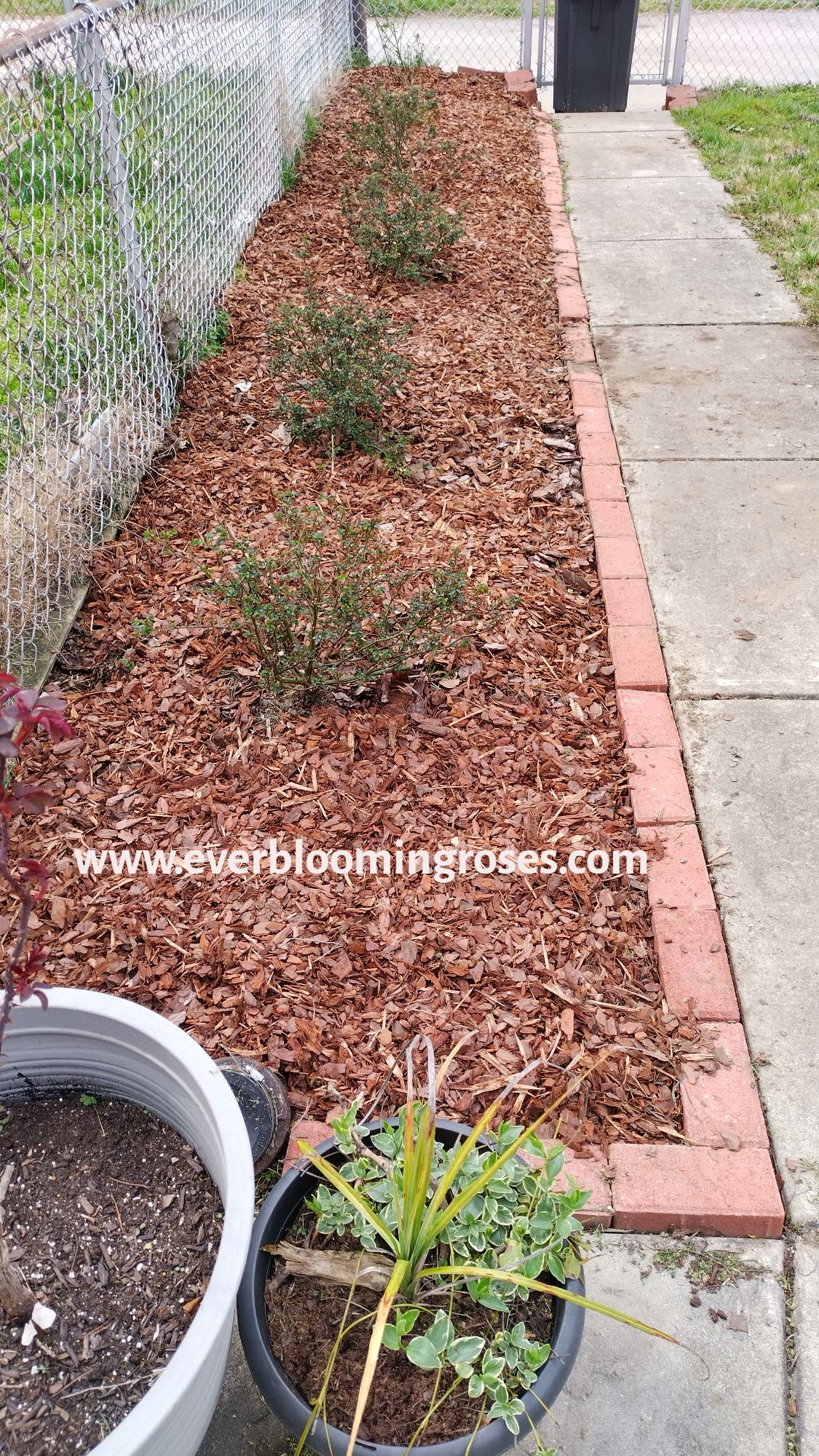
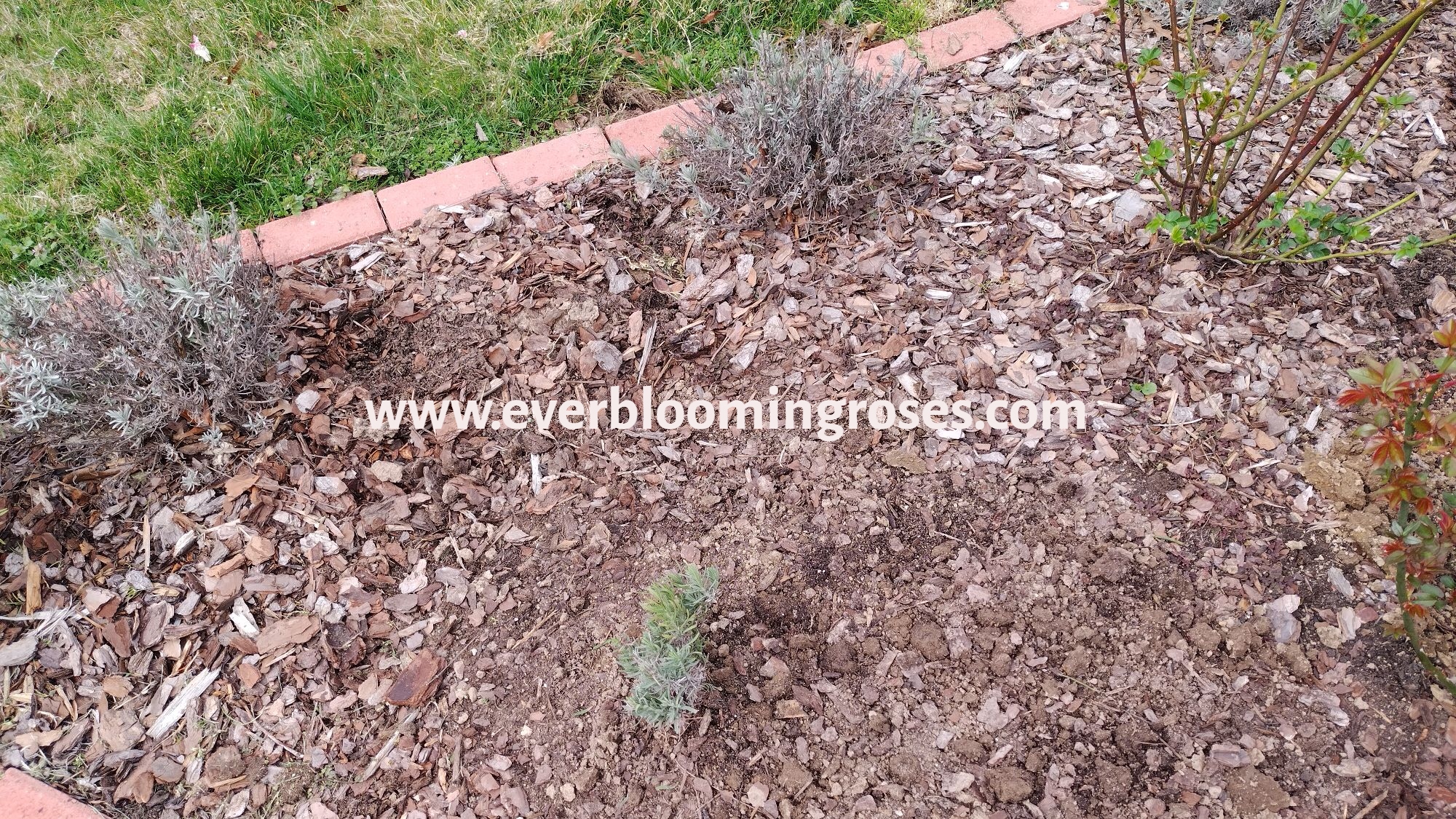
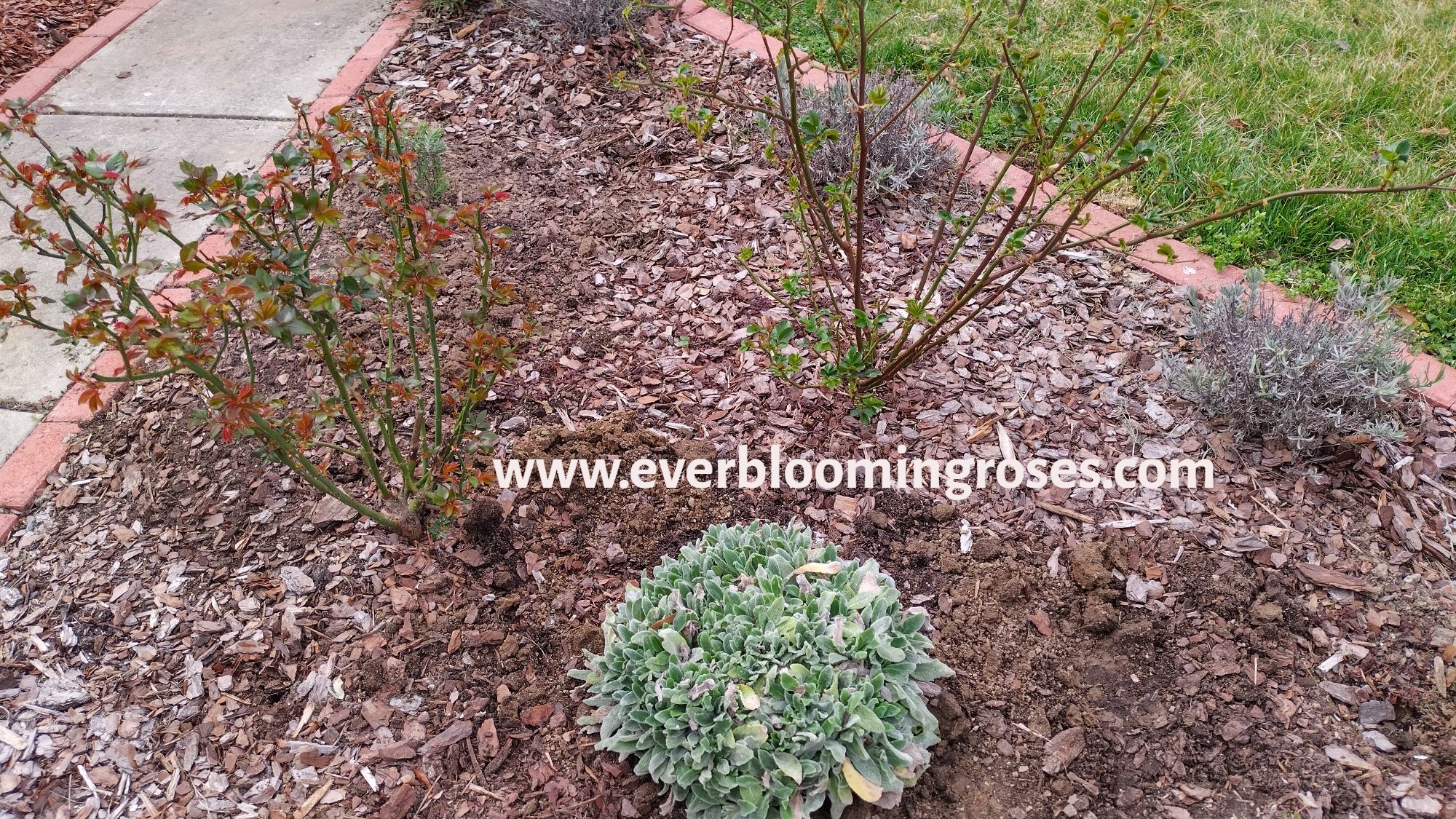
With my four-legged foes in mind, on Friday, March 15, 2024, I took the day off from my office job in advance to weed and mulch ‘the pink patch’. I experimented by placing bamboo skewers throughout the bed to deter pests and pets from tromping through my flower bed. Should the visiting cat need to use the restroom, she may feel a little jab, and choose to defecate elsewhere. Likewise, a hungry rodent might decide to go grocery shopping anywhere but on my property! Overall, I think the project was a success as I don’t see redistributed mulch (no fresh mounds) thus far. I just have to remember they are there later in the season when I need to tidy up the bed. They are disguised so well within the mulch. Can you see the skewers in these photos? It’s like a game of Where’s Waldo.
While weeding, mulching, and realizing I’m another year older, I transplanted a small lavender plant, as well as a mound of Lamb’s Ear into their new homes in a different bed. Earlier this month, I ordered ‘Magic Show Pink Potion’ Veronica Speedwells, ‘Fruit Punch Sweetie Pie’ pink dianthus, and more ‘Sweet Romance’ lavender from Proven Winners to add to other beds. I look forward to their arrival and seeing mounds of purple and pink in full bloom! I have a color theme of pink, purple, white, and yellow in my various beds.
My gardening goals this year are to experiment with more perennials to compliment my roses and to invite two-legged guests to tour my ever-blooming garden. Cats and rats are not allowed! Okay, so a cat can visit, just not redistribute mulch!
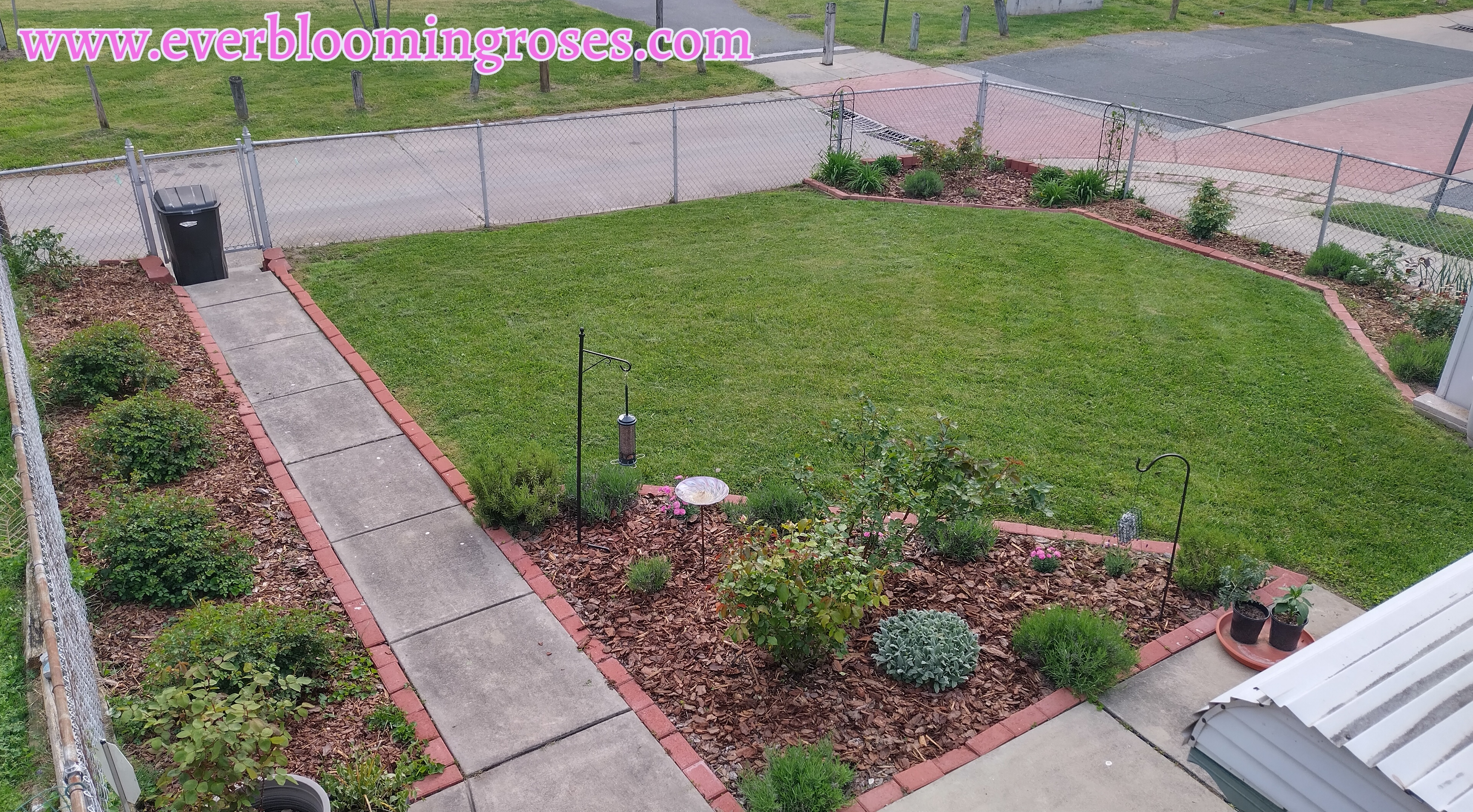
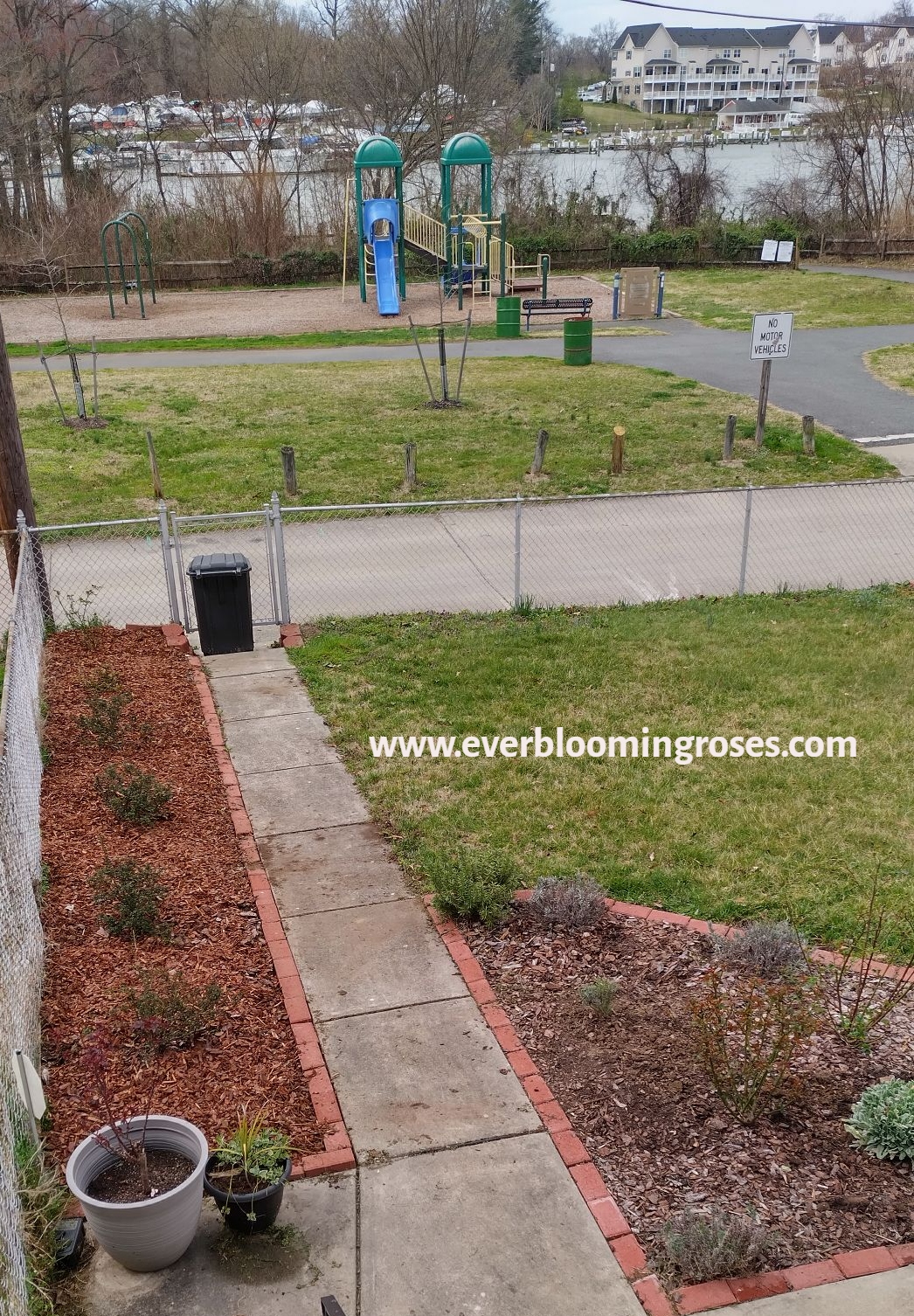
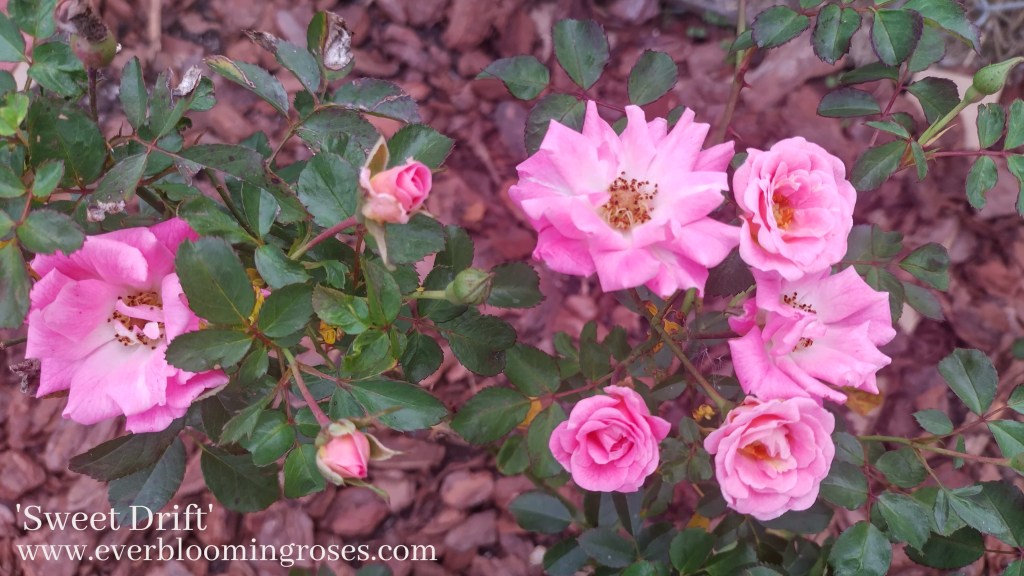
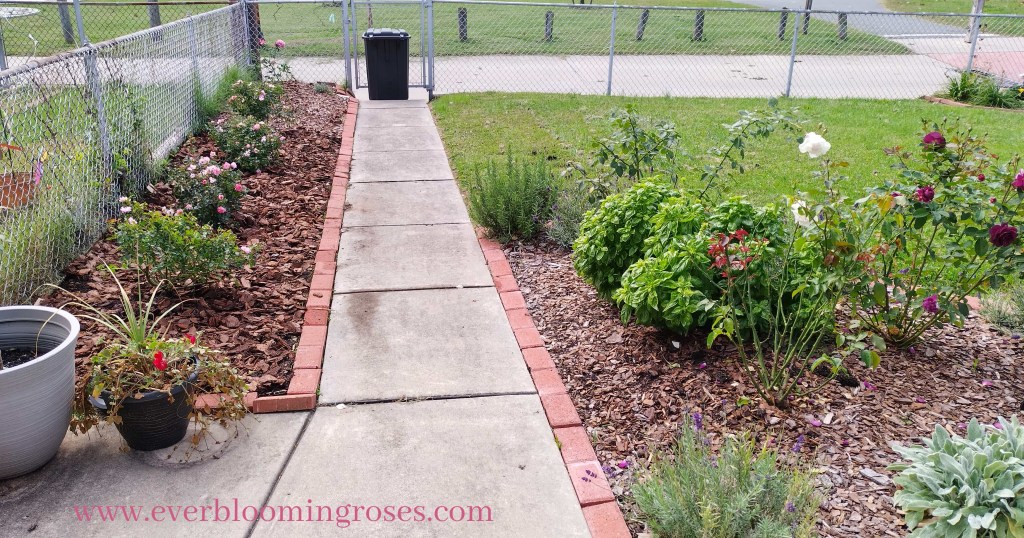
With spring approaching, I’ve been busy preparing my garden for optimal growth. My shed is packed with numerous bags of pine nugget mulch among a variety of garden tools, and I had a small retaining wall recently built in the corner bed to prevent further erosion from the rain. Additionally, tonight, after getting home from work, I quickly pruned and fertilized what I affectionately refer to as ‘The Pink Patch’. The pink patch is a narrow border bed between my home and my neighbor’s property. It hosts several pink rose bushes including ‘Sweet Drift’ and the narrow bed concludes with the hybrid tea, ‘Chicago Peace’ near the garden’s gate. Essentially, I have created a pink hedge – although, at the moment, there is no pink in the pink patch due to the natural effects of winter dormancy. Unfortunately, a stray cat thinks the pink patch is her litter box, which motivated me to prune and fertilize a tad earlier than I normally would because I am hoping the drift roses will unfurl and expand making it difficult for the neighborhood cat to use the rose bed as a restroom. Then again, the stray cat will likely move onto one of my many other flower beds.
‘Sweet Drift’ roses and ‘Chicago Peace’ on the left make up ‘The Pink Patch’ while the wild cane on the right is ‘Earth Angel’.
This bloom of Chicago Peace is past her prime but still a lovely blend of pinks, apricots, and lilac.
The culprit cat.
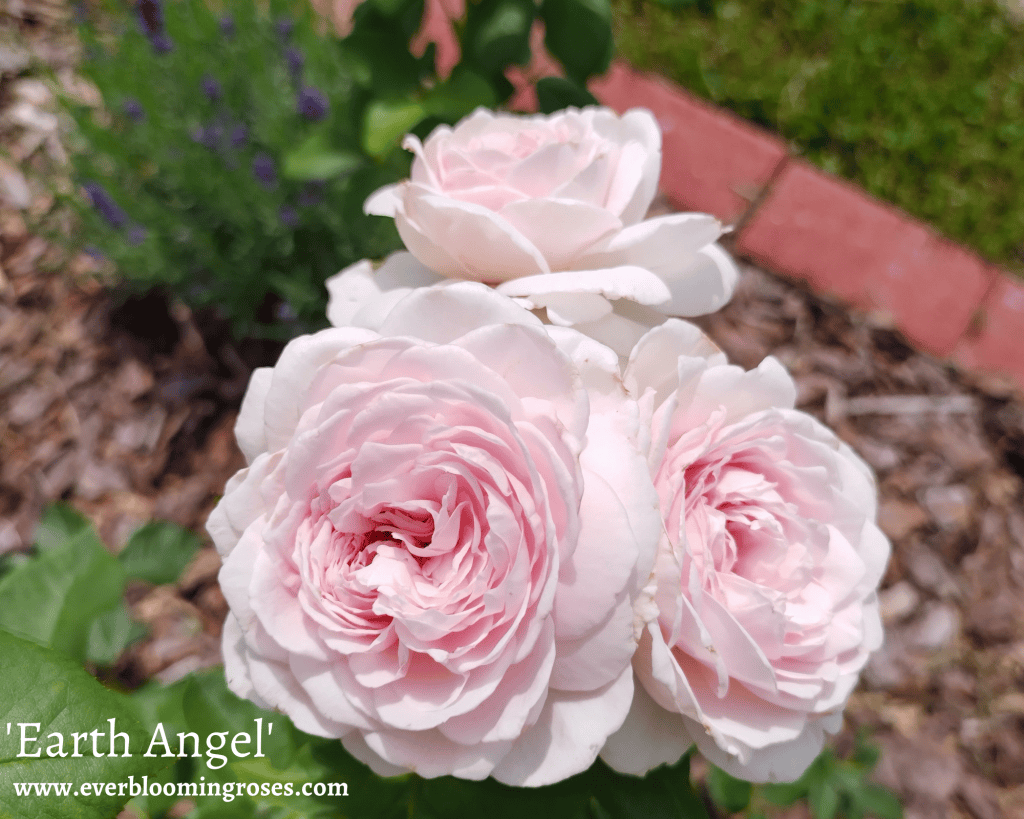
During this past Sunday’s beautiful sunshine, I created a new garden bed to house a rose bush that I planted last year but I underestimated her size. After seeing ‘Earth Angel’, a fragrant and romantic floribunda, produce long canes during her first year, I recently researched her size in gardening forums (sometimes the size stated on vendor’s websites is not the reality in all gardening zones). Turns out, this rose can get 5′ by 4′ not 3′ by 3′. Similarly, it’s been my observation from past gardens of mine that Sweet Drift’s height and width grow approximately double what the label claims. So, I dug a new hole elsewhere for Earth Angel, pruned her back, dug her up, and transplanted her, gambling that the weather forecast would continue to remain above freezing. Then I made a new bed around her using cardboard to cover the grass, put dirt on top of the cardboard, and spread a layer of mulch to top it all off. Through it all, I noticed the recently erected small retaining wall for the corner bed partially covered the base of two daisies. I subsequently had to transplant them for optimal growth as well, which reminded me that sometimes that is the case for us humans too. Selah.
What’s happening in your garden and the proverbial, spiritual garden of your heart? Is construction, pruning, fertilizing, transplanting, or all of the above needed for optimal growth this spring? Like, subscribe, and comment below.
Be ever-blooming, rose buds!
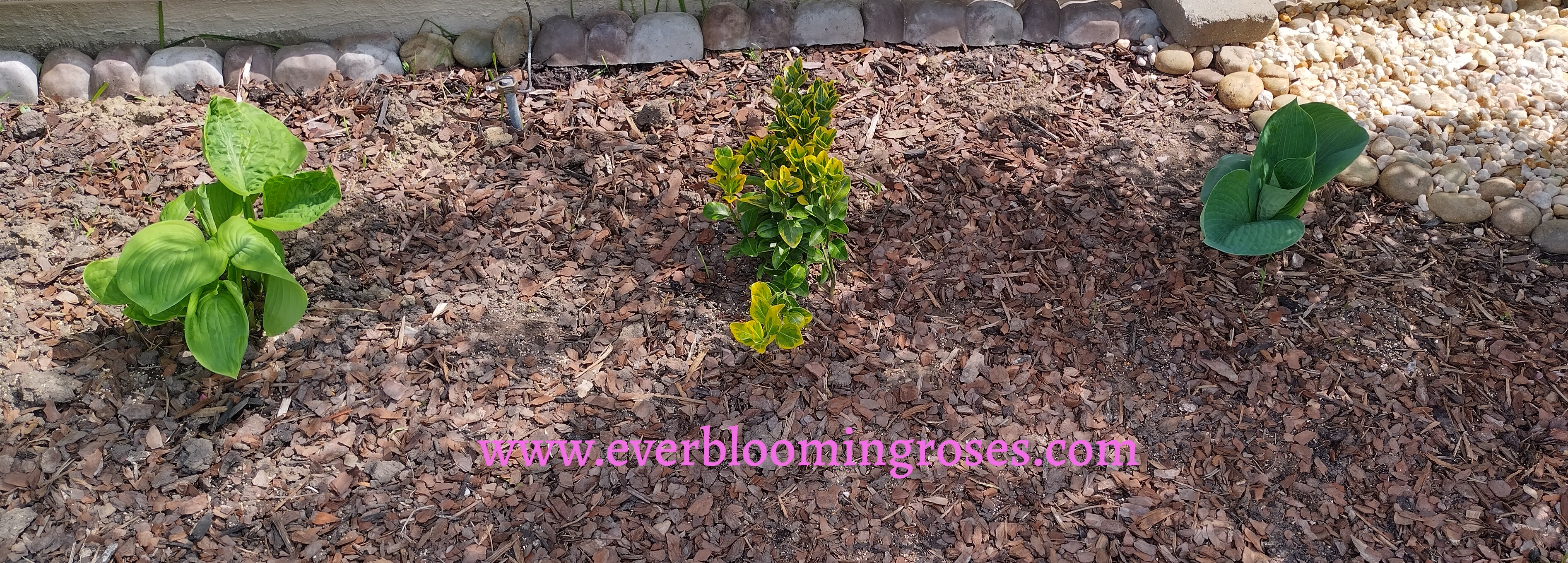
In March of 2024, a new flower bed and the small retaining wall in the corner bed “bloomed”.
Although this website is designed to encourage the gardener’s soul to be “ever-blooming”, it’s okay to not always be “ever-blooming”. It’s okay to feel wilted, physically, mentally, and or spiritually. It’s okay to hibernate in dormancy to rest, replenish, and process all that’s happened up to this point. We all have days, weeks, seasons, or even years when the elements of this world seem to drown us in “atmospheric rivers” as gardeners in California may be experiencing this week. Should you find yourself in a challenging proverbial winter, just remember spring always arrives. For the gardeners in the Northern Hemisphere, we have just six weeks to wait. New beginnings will bloom… new life will spring forth… as will you and I.
Within the month of January, my garden located in Maryland’s gardening zone 8a experienced some wild weather – including a few inches of snow, and minor coastal flooding from relentless rain (Note: My garden was previously zoned as 7b – I just discovered it was upgraded to 8a in 2023 due to climate change). The cold, white flakes arrived after a two-year snow drought, and I delighted in the beauty. I recently learned snow nourishes soil because falling snowflakes capture nitrogen in the atmosphere (as does rain), and deposits the nitrogen into the soil. Nitrogen is required for healthy leaves and abundant blooms. As an added bonus, the layer of snow also insulates the roots of our rose bushes from frigid temperatures, ironically, similar to how mulch insulates our beloved plants. I’ll take those blooming blessings!
Since the snowfall and a brief warm-up, which melted all the snow, I’ve noticed daffodils or crocuses have already broken ground. Clearly, they are just as eager for spring as I am. Have you noticed the sun lingers more and more in the evening, winter sky? In just seven weeks, it will be officially spring! With the added benefit of the snow this winter, may our gardens burst with luscious, vibrant blooms!