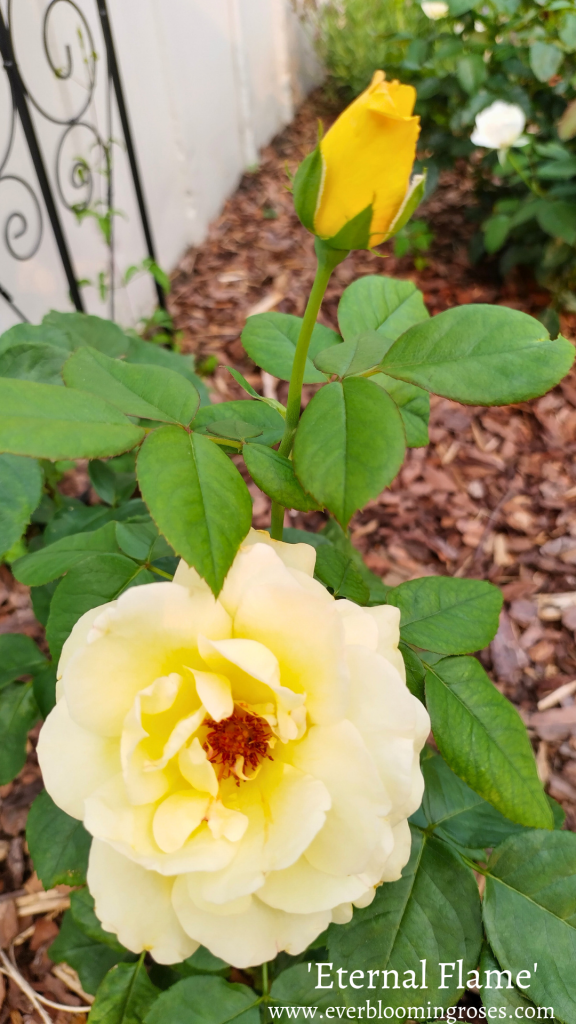
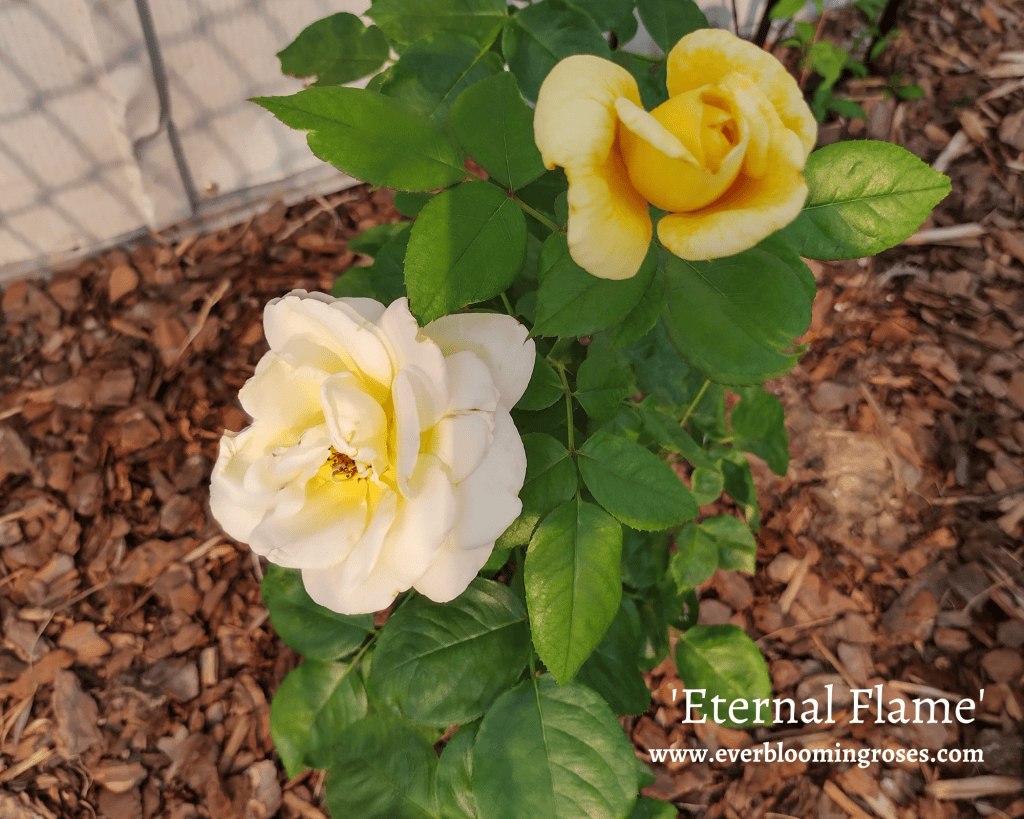
This is a fragrant, yellow hybrid tea rose known as ‘Eternal Flame’. Soon, the bush will be tall and narrow. I suppose like a flame.
I planted this rose in my garden because the name ‘Eternal Flame’ reminds me of the eternal flame burning at the altar described in Scripture. In synagogues, the eternal flame or lamp hovers above the ark. The ark is like an ornate wooden chamber that houses Torah scrolls. What’s Torah, you ask? The first five books of the Bible. Various Scriptures also refer to Torah as the light. Also, some churches have a lamp, or eternal flame, over their altar.
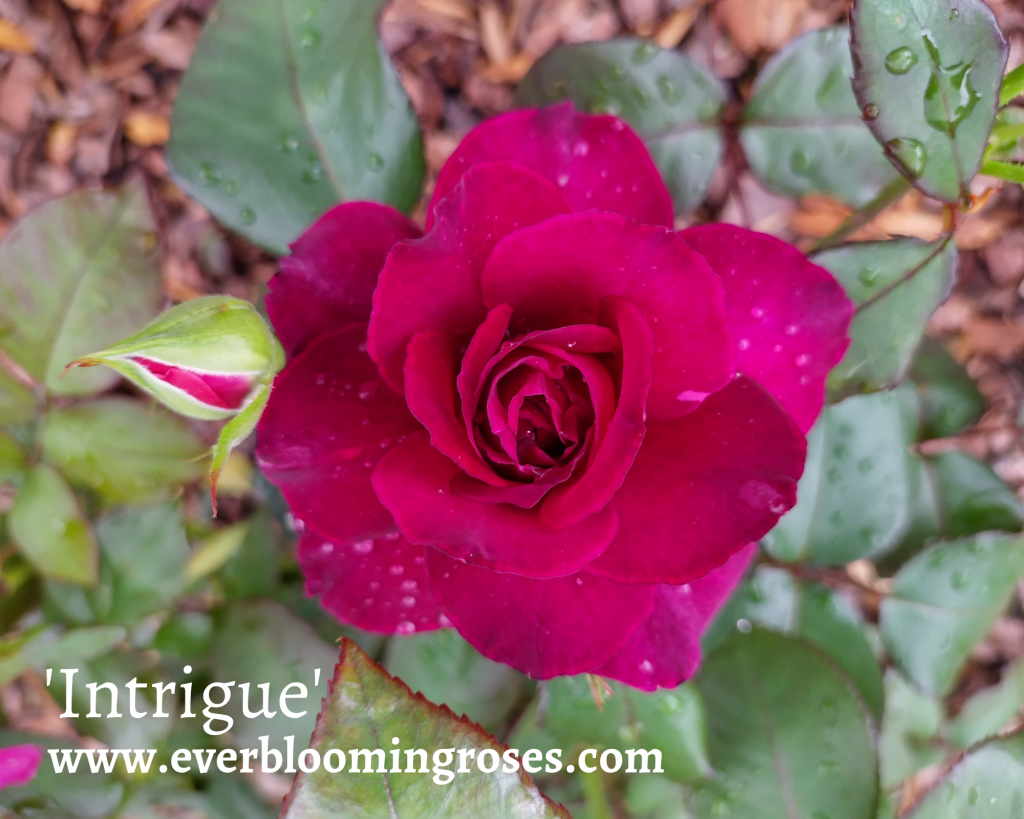
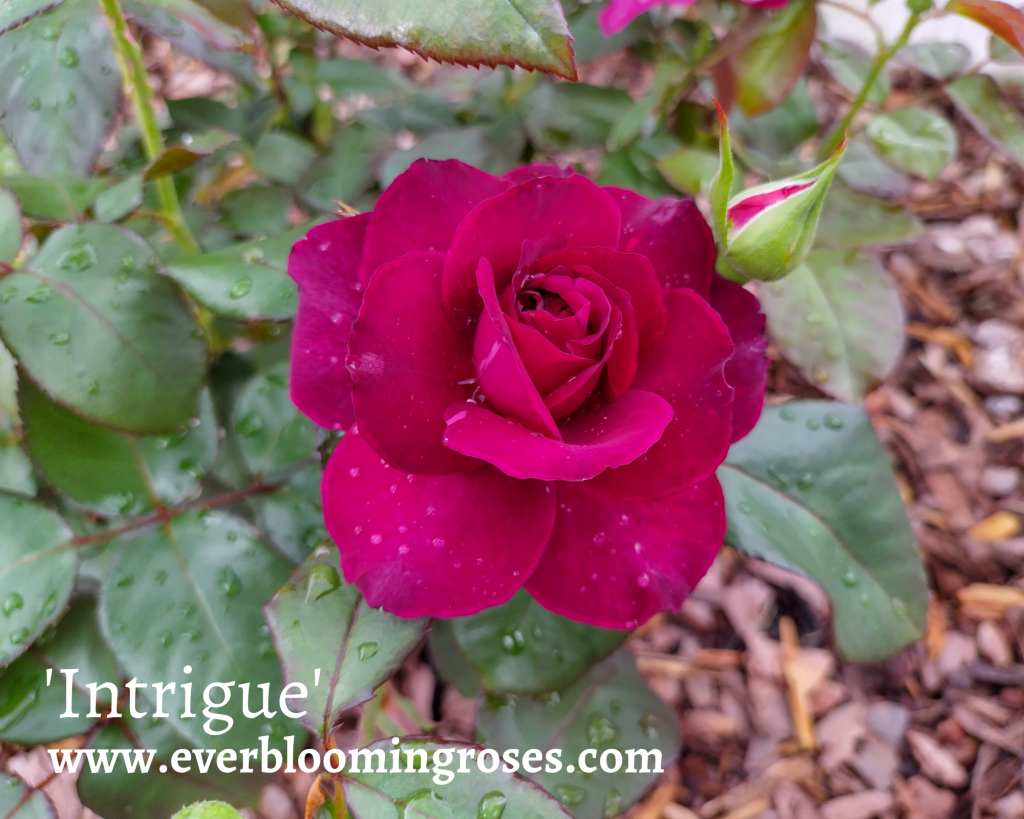
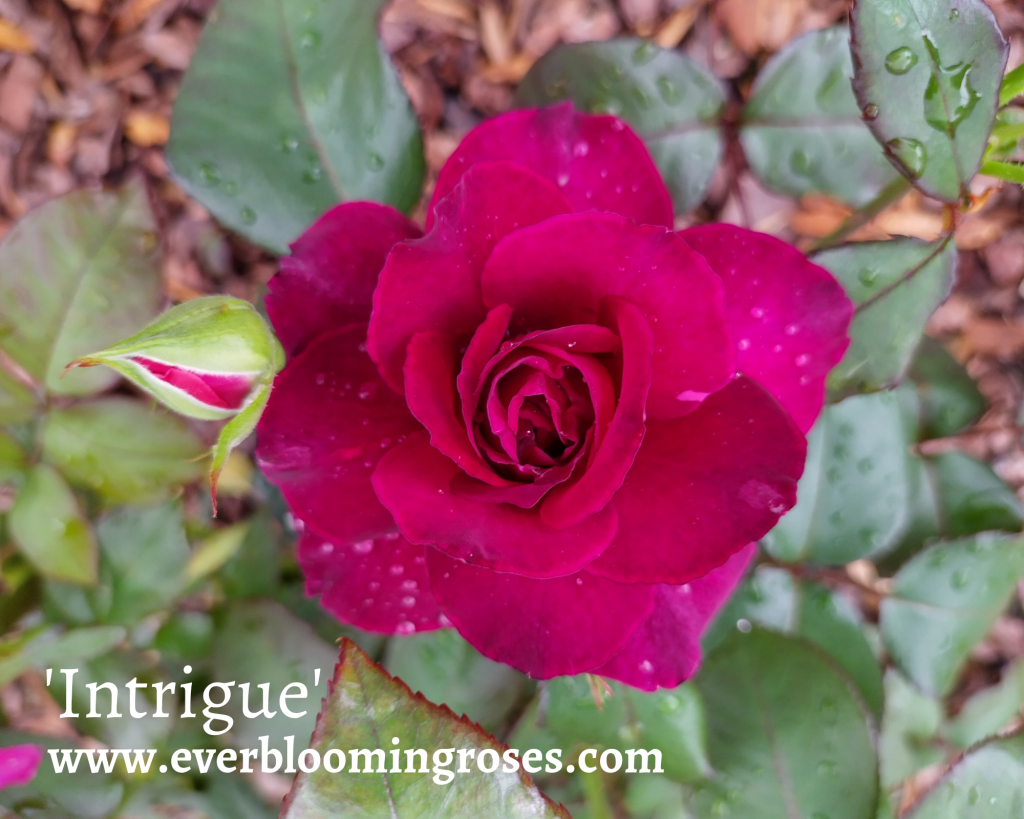
Throughout this glorious Spring, which recently transitioned to Summer, I have enjoyed designing a garden full of flourishing blooms at my new home in Maryland, Zone 7b. I’ve added a few flower beds that several roses call home while fuzzy lamb’s ears and purple bursts of lavender are nestled nearby. One said rose, a floribunda, known as ‘Intrigue’ boasts wine colored velvet petals. Her intriguing beauty and delightful fragrance keeps me coming back for more! She briefly displayed slight blackspot, but her foliage appears to be quite disease resistant thus far. Intrigue’s prolific blooms, stunning color, delectable fragrance, and vibrant, healthy leaves has me intrigued. This impulse, Mother’s Day purchase made at Stauffer’s Kissel nursery in York, PA has been a joy. An ever-blooming rose indeed!
Although a tad chilly here in Maryland, I welcome the first day of Spring! Since purchasing my new home with a modest yard near a river, I pre-ordered five roses from various rose vendors and bought four more from Home Depot. I look forward to sharing photos and tips this glorious garden season.
In 2022, inspired by my sons, I went back to college. I never finished because life happened. My oldest son graduated college this year and my youngest son entered college this year. As for me, I took 12 credits while working full-time. My major is Legal Studies, which is appropriate since I work at a law firm. Unlike in my younger years, I am enjoying learning and am getting straight A’s! 🙂 Over the span of this year, in addition to college classes and working, I finished writing my first novel, which I am still editing but hope to self-publish soon. Also, towards the latter part of this year, I bought a cute home in Maryland (with a water view and garden)!
Though some tears were shed, overall, I feel 2022 was a productive, blossoming year. In 2023, I hope to plant roses and more seeds of hope! What are your gardening goals or other goals for 2023? Leave a comment — I’d love to encourage you.
Bloom where you are planted, but also don’t be afraid to be transplanted.
While puttering about my urban rose garden one Spring day, I discovered a hollow and dying cane on one of my hybrid teas. Though small and usually unseen, the rose borer impacts the life of a rose’s cane and possibly the entire plant. The rose borer is a worm like larvae that typically digs into and hollows out a freshly cut cane. They also target young more pliable canes to dig in to and set up their nests. A rose borer could be labeled as a good bug as it eats its share of aphids. However, the rose borer could easily be labeled a bad bug as well for it causes canes to wilt and die. Furthermore, some borers just keep digging until they reach the bud union at the base of the rose bush potentially causing the entire bush to perish.
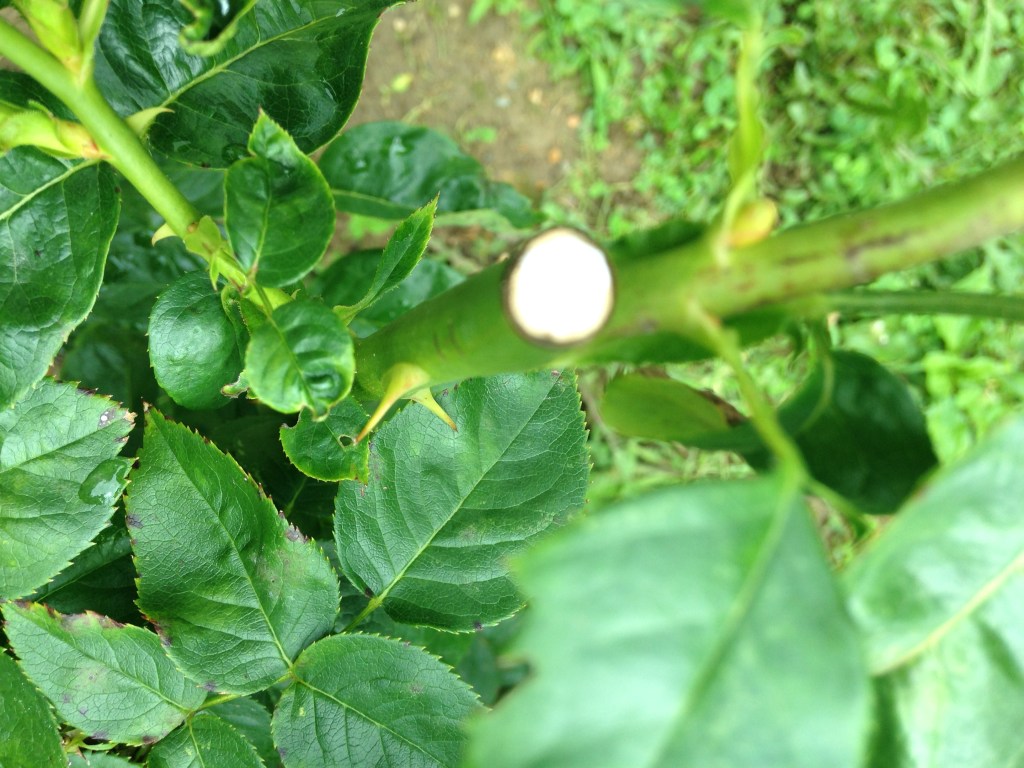
To protect your roses from borers, seal off freshly cut canes with a dab of Elmer’s multipurpose glue. Refrain from using Elmer’s school glue as rain fall or watering your roses can wash off the sealant. Also, in a pinch, you could drop clear nail polish on the end of a freshly cut cane, but be advised chemicals in the nail polish could damage the cane, which defeats the purpose. If you notice the damage of a borer, go ahead and cut back the cane until you reach the healthy filling of a cane. Upon doing so, seal off the end of it. With each cut you make of your canes, dab on the Elmer’s glue so the borers will eventually run out of options.
“Bind this warning, ‘Seal the Torah within My disciples’.” Isaiah 8:16
Elmer’s Glue seals a rose cane.
Smokin’ Hot, a hybrid tea rose.
The internal damage an unsuspecting rose borer does to a rose bush reminds me of how easily the unrecognizable sins of unforgiveness and bitterness creeps within the canes of our soul. I have noticed in my own life, I tend to forgive others for their harmful behavior towards me, but often I fail to forgive myself for some of my own harmful and impacting decisions. Without even realizing it, hints of bitterness borrow deep into my canes. Nightmares and other circumstantial triggers clued me into such a wilting and potentially devastating issue hidden within my heart. Despite knowing God forgives those who repent (Psalm 103; Isaiah 1:16-20, 43:25), I would walk around with self-imposed shame, guilt, and condemnation. While I realize I cannot control the actions of others, I can control my choices. Unfortunately, we must live with the consequences of our choices and one particular decision haunted me for years.
Thankfully, upon realizing God’s love and lavish mercies, I could cut out the bitterness and unforgiveness bored deep within my soul, while sealing my heart and mind with His commandments like we seal the freshly cut cane with Elmer’s glue preventing further damage. When I reflect on His forgiveness, love, and instructions for living, I am free to flourish producing “ever-blooming roses”.
‘Oregold’, a glorious hybrid-tea shines in shades of yellow.
Thistles, Thorns, and Now Thrips?
Nearly every morning I inspect my rose babies looking for damaging insects such as aphids, sawfly larvae, Japanese beetles, and thrips. Thrips, though terribly difficult to see, as are most of these critters, leave obvious evidence on fragrant or light-colored rose petals. By their very nature, thrips thrive by sucking the life out of the rosebud and its petals if they are even able to bloom. This summer I added the wonderfully fragrant, lavender-colored Memorial Day rose to my garden. Just a few feet away I also planted Oregold, another hybrid tea rose, which produces a lovely bloom in vibrant yellow. Unfortunately, Memorial Day suffered from thrips. In a short amount of time, my Oregold rose also succumbed to them. I hadn’t known such microscopic creatures even existed until I noticed my Memorial Day rose petals had a bizarre brown edging. I hoped this delightful-smelling rose bush was suffering from heat exhaustion. But even after thoroughly watering the bush in addition to the temperatures subsiding, shades of brown still smothered her every bud and bloom. Shortly thereafter, my Oregold, who once provided large layers of glorious yellow petals, now was hampered by dilapidated edges of brown or petals that appear dry and shriveled as well as buds that won’t open, all of which are common side effects of thrips.
Consequently, I went to the trusty internet to determine what is plaguing my newly adopted roses. After doing a little research, I took a closer look at my roses and could identify them. Yikes, it’s thrips! To determine just how bad the rose bushes were infested, I took a white piece of paper and tapped the blooms over the paper. Sure enough, the once nearly invisible thrips were now clearly visible though ever so tiny! To ward them off, I hosed them down with water and then gave them regular dosing of neem oil. I prefer to use more organic measures than resorting to systematic insecticide. The infestation of thrips proves yet another example of why beneficial bugs like ladybugs, hoverflies, and lacewings are desperately needed in a garden as they love to feast on such devastating creatures.
“I am the Lord; I called you with righteousness and I will strengthen your hand; and I formed you, and I made you for a people’s covenant, for a light to the nations. To open blind eyes, to bring prisoners out of a dungeon, those who sit in darkness out of a prison..” Isaiah 42:6-7
As I went about decontaminating my roses, I pondered on the simple fact that a light-colored and or fragrant rose attracts such insects. Light, in general, attracts bugs. How interesting that sometimes though as we may live out a lifestyle of worship as the light of the world and emit a sweet aroma as daily living sacrifices, or simply as good, empathetic people, we too can attract pestilence in our lives. It would seem the more you blossom as a fragrant, light-colored rose in God’s garden, those who choose to reject God, His ways, and do evil, find themselves harboring contempt towards you. Perhaps they don’t understand or more specifically, don’t want to understand. In fact, to them, your decision to strive to obey God’s teachings in Torah, which is defined as light (Psalm 119:105-106; Proverbs 6:23) and to live a lifestyle that reflects His light, may be more like a stench in their nostrils than an inviting fragrance.
In particular, have you ever overcome something horrific while giving God all the glory for helping you be victorious? Some would have preferred to see you suffer or succumb to the thrip infestation as it sucked all joy from your petals of praise. Instead, you were willing to be anointed with God’s neem oil, if you will, or you chose to bask in His light rather than the darkness seemingly attacking you. You chose to thrive despite the thrips. You overcame your enemy and walked out of that battle with the enemy’s goods because you, through God’s grace, turned the experience into something beautiful as it molded your character. By doing so, you are emitting the sweet fragrance God enjoys as you triumphantly obey Him through thistles, thorns, and even thrips!
‘Memorial Day’, a highly fragrant hybrid tea.
Update: In 2023, in Maryland’s Zone 7b/8a thrips attacked my white fragrant roses such as Full Sail, Earth Angel, and Bolero. I ended up spraying them repeatedly with Sevin insect spray. This not only beat the thrips (in time) but also Japanese Beetles. I was sure to inspect the rose bushes for bees though and protected my other bee-loving flowers before spraying. I also discovered throughout the gardening season of 2023 that planting basil by my white rose bush seemed to dispel thrips naturally.
One may think bugs, any and all bugs, are pesky nuisances invading our glorious garden, but the truth is without many of them, our garden wouldn’t thrive. Not only do insects, such as the honey bee, provide important roles, but they provide a variety of products as well like certain medications, candles, cosmetics, furniture polish, and of course, honey! Other insects, though ugly and inconvenient, provide proper nutrients to the good insects our garden needs. Often found roaming around our rose gardens are beneficial bugs like lady bugs, hoverflies, and lacewings. Conversely, bad bugs for our roses are aphids, thrips, and sawflies to name just a few. But are they really all that bad? After all, without the “bad” bugs the good bugs would have nothing to sustain them. Did you know just one adult ladybug can devour 50-60 aphids in day?
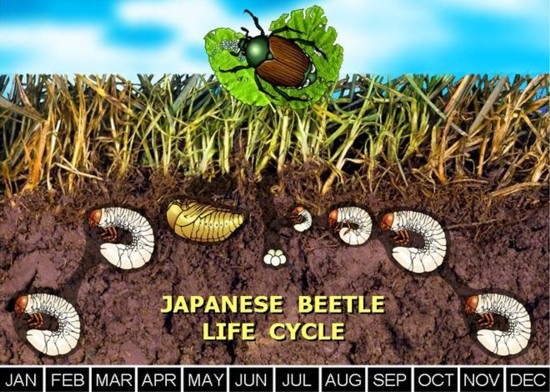
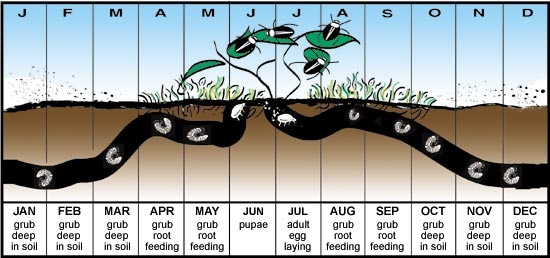
Most gardeners just want the bad bugs gone without considering the overall environmental factors. While you could spray your rose bushes with insecticide to kill off the bad bugs, you’ll also harm the good ones. Other organic methods include purchasing neem oil concentrate from your local nursery. Be sure to carefully follow the mixing directions though and only apply neem oil during the early morning, evening hours, or on an overcast day as spraying neem oil on your rose foliage during high heat days will burn the leaves. Another option in preventing bad bugs like thrips and the dreaded Japanese Beetle from infesting your rose plants would be to release Heterorhabditis Bacteriophora Nematodes into the soil. These small worm like creatures will seek out and destroy many annoying and dangerous threats to your rose garden before they have a chance to be seen!
graphic source unknown
Moreover, assuming you will want your rose garden to thrive for years to come, it would behoove you, the Master Gardener, to be a good hostess by creating an inviting environment for the beneficial bugs to reside. In some ways, bugs are much like us in the sense that they need food, shelter, and water. They also appreciate convenience.
By providing a steady food source, you’ll keep your lady bugs, lacewings, and hoverflies happy. But before the aphid buffet shows up in the Spring, you’ll need to provide plant life that will nourish your good bugs earlier in the season. By planting herbs that bloom early and also provide good nectar, the good bugs will want to move into the neighborhood! Herbs such as mustard, dill, and parsley will be sufficient. You many also want to plant lavender, but leave room for growth as lavender tends to consume much space. Mint and thyme will provide a soothing smell to your garden while angelica is an herb that especially attracts ladybugs – bonus!
graphic source unknown
In addition to the herbs, you’ll also need a bird bath, water feature, pond, or other water source free of chemicals like chlorine. Apparently, even bugs get thirsty and need a bath now and then! Once you’ve created such a welcoming open house, or rather, open garden, it won’t be long before the good bugs set up a nursery of their own by laying their eggs on our rose foliage. But when the weather turns cooler, don’t let your hard work go to waste, be sure to provide them with ornamental grasses and soft wood twigs and branches, like willow, poplar, and ash for them to stay cozy throughout the winter months. Whether you are a novice gardener or expert, your roses will appreciate your efforts as you build an inviting and thriving rose garden.
“For I know the thoughts that I think about you, says the Lord, thoughts of peace and not of evil, to give you a future and a hope. And you shall call Me and go and pray to Me, and I will hearken to you. And you will seek Me and find [Me] for you will seek Me with all your heart. And I will be found by you, says the Lord, and I will return your captivity and gather you from all the nations and from all the places where I have driven you, says the Lord, and I will return you to the place whence I exiled you.” Jeremiah 29:11-14
When I compare the similarities of our garden to our lives, it’s interesting to note how God allows the bad bugs in our garden of life to manifest something spectacular in us as well as God’s heartfelt intention towards us. So often we blame evil or some religious circles blame Satan as the source of our troubles forgetting that even Satan had to seek God’s approval before doing any harm to our garden (see the book of Job). In other words, God, as the Master Gardener, recognizes the bad bugs, but perhaps He’s allowing them in our garden for a reason. Perhaps the reason is to discipline us for our disobedience or perhaps He is developing us into the fragrant, beautiful, disease-resistant rose He intended with no actual wrong-doing on our part such as the accounts of Joseph, Job, or Esther. However, other times, the unfortunate turn of events may actually be a result of our own unrighteousness. In the Book of Jeremiah, the prophet repeatedly warned of the Jewish people being taken captive should they continue to live as they desire rather than live as God desires found in the Torah. The Prophet Jeremiah foretold the Jewish people would be taken captive by Babylon for 70 years, but in the end, that God was using it all to cause them to repent, to seek Him with their whole heart, and in turn God will gladly regather them and bless them while continuing to teach them His ways and will for them as the light to the world. Interestingly, this same prophetic word is applicable to the future of the Jewish people and others who keep God’s holy covenant eventually being gathered to Jerusalem, Mount Zion, in Israel as a light to the world one fine new day (see Jeremiah 29-31; Isaiah 51-56, 60-62, 65-66; Ezekiel 36-37; Hosea 14; Zechariah 8-10, as a few examples).
I want to reiterate the fact that often the seemingly bad bugs attacking us as rose plants could have been released for the sole purpose of teaching us how to reflect our Master Gardener’s glory and splendor to a dark world needing to be enlightened in God’s light and love. How even more glorious and brilliant and yet challenging it is to be ever-blooming, testifying of His love, His wisdom, His justice, and His will when you are currently living amongst the pestilence of life!
In a perplexing manner, God is being a good host as He continues to develop His righteousness in you. He is busy creating a holy, eternal garden or environment where you and others may indefinitely thrive by allowing not just the good experiences or good bugs to benefit from you, but by equally, if not more so, using the bad and down-right ugly experiences to also cultivate beauty.
In doing so, His intention is to develop an ever-thriving, ever-rejoicing, and ever-blooming garden of God within you during the good, the bad, and the bugly. How we respond to such pests and said treatments remains to be seen.
“For when Your judgments are in the earth, the inhabitants of the world will learn righteousness. Let grace be shown to the wicked, yet he will not learn righteousness.” Isaiah 26:9-10
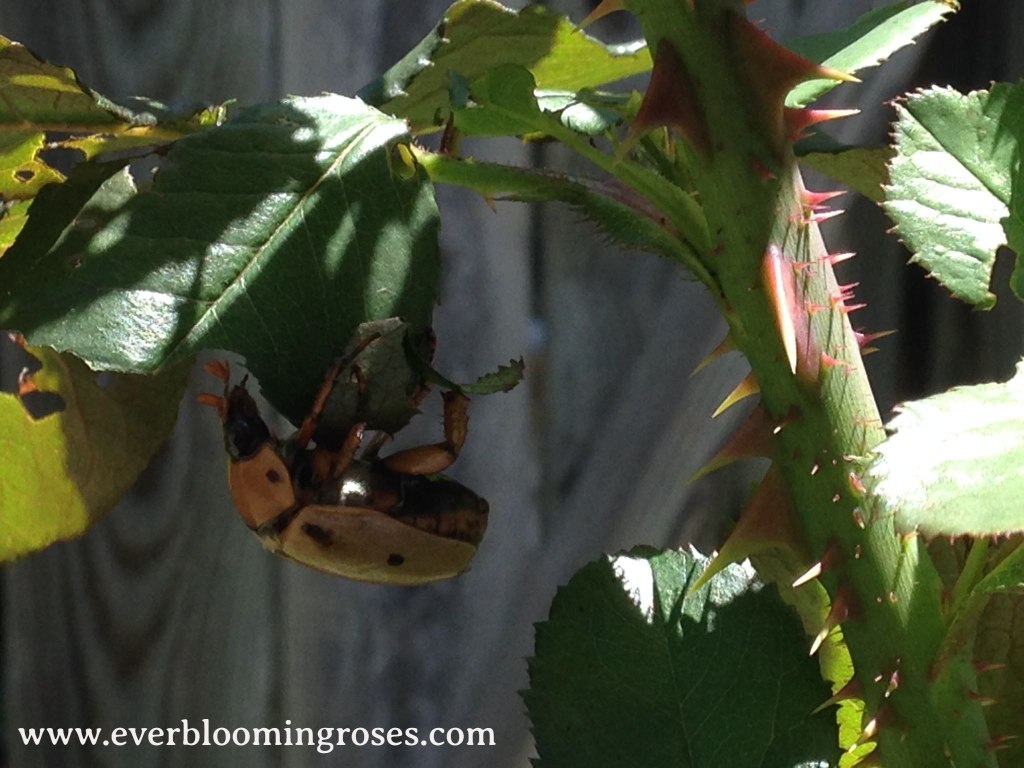
An unidentified beetle enjoys the foliage of a rose.