But whose counting!
But whose counting!
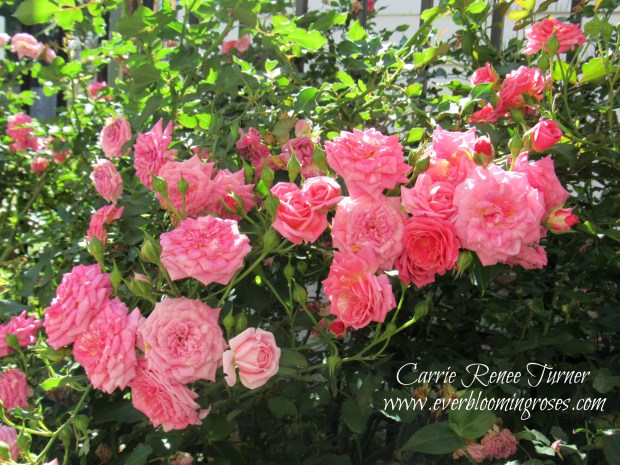
Sweet Drift, by Knock Out Roses / Star Roses and Plants, has been an excellent disease-resistant performer for me here in Zone 6b of Central South Pennsylvania over the years. I have four of these beauties planted in a row. They just love to try to take over my walkway that runs parallel to them. Though they were alleged to be small ever-blooming shrubs, these clusters of abundant pink easily grow 3 – 4 ft high and about 2 – 3 ft wide if I let them. Oh, I don’t mind their eager growth though for they sweetly greet me every time I drift to and fro.
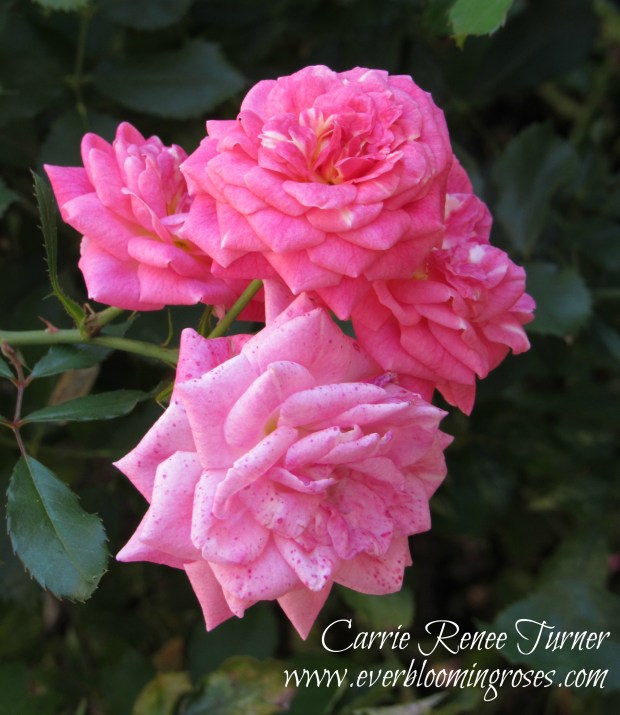
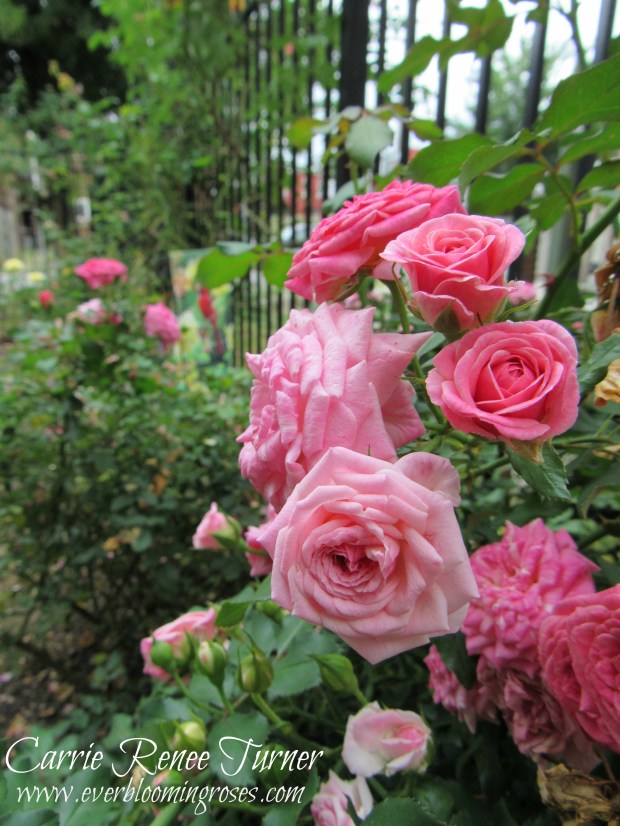
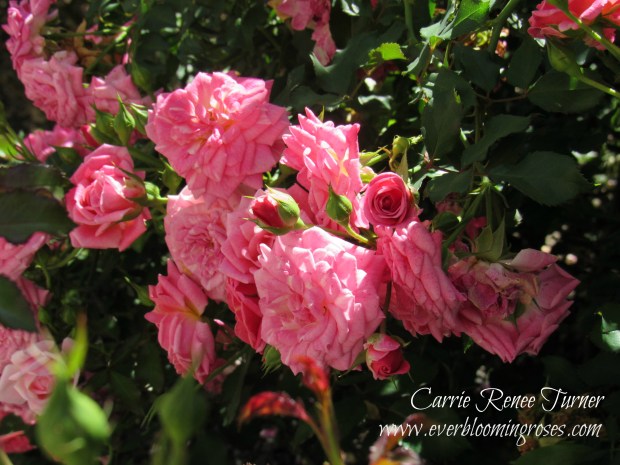
Sweet Drift in all her shades of pink say farewell. {Sept 2016}


I added a new rose to my collection. Her name is “Voodoo”, a hybrid tea variety. Apparently, she was labeled as Voodoo because her colors are mesmerizing! I couldn’t agree more!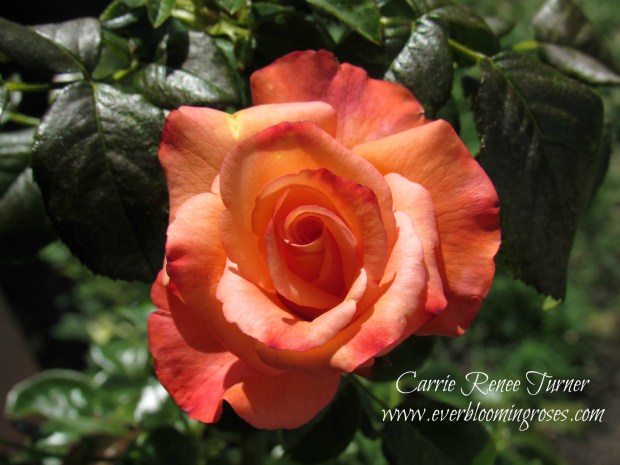
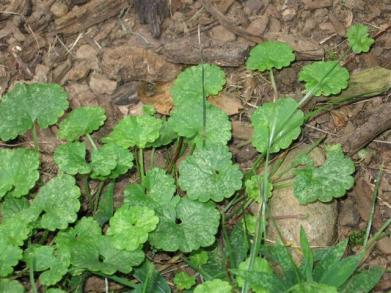
Creeping Charlie {photo credit: unknown}
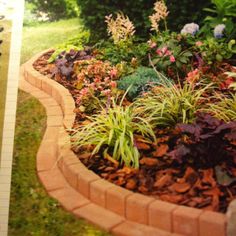
Today, I found myself performing the never ending task of weeding. In particular, an intruding vine, known as “Ground Ivy” or “Creeping Charlie”, knows no bounds as it constantly invades my rose beds. Although it looks deceptively charming at first, Creeping Charlie will choke the life out of my roses and other plants if allowed. Hence, why I pulled out my knee pad and spent about 2 hours ripping this vine out as best as I could not to mention the persistent flock of dandelions and other unknown weeds in my urban garden. I’m not sure who sowed Creeping Charlie into my yard probably decades ago, but my goodness, what a headache! To help eliminate the encroaching yard from reaching my flower beds, the husband and I will soon be implementing a border control of sorts with old brick or stone (it’s still up for discussion as to which we can agree on).
{photo credit: unknown}
So while the dirt compiled under my nails this morning, I thought about how necessary boundaries are in our lives as they define our roles, our responsibilities, and our way of life. Without boundaries or borders defining and describing such areas, both our garden and our world would be in chaos. Boundaries not only define who we are, but they protect what we value most. A brick or stone border, a fence, a wall, laws, rules, and terms of an agreement, are all examples of boundaries. God’s documented voice found in the Jewish Bible, Torah, provides boundaries to live by as well. Such boundaries, or written terms, are designed to define our roles and responsibilities as God’s children and the way to life as He intended. By rejecting God’s boundaries, there are chaotic consequences – just look at the world around us or even your own life. I certainly suffered chaotic and unnecessary consequences when I didn’t abide by God’s boundaries. I’m sure you can think of a time or two you did as well. Clearly, without them, ungodly vines like Creeping Charlies can invade our hearts and homes choking out the life God intended for us. How important it is we learn to abide within God’s border control while eliminating the ungodly vines and weeds the world sows.
{photo credit: Kathy Keatley Garvey}
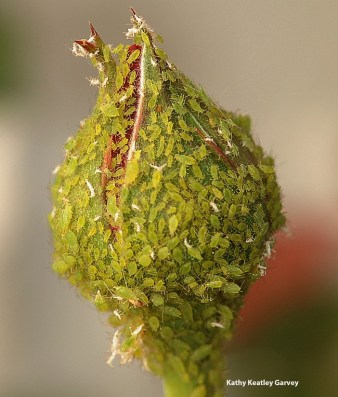
Now that it appears Spring has fully sprung, I discovered an influx of aphids enjoying my aspiring rose buds. Aphids are tiny insects that smother the tips of rose canes, foliage, and buds while sucking the life out of any given plant. Left unchecked they can damage a rose bush and therefore, prevent a hopeful bud from blooming. Aphids often camouflage with the greenery of many plants, although they can come in a variety of colors. Perplexed as to why an abnormal amount of aphids were clinging to my canes this Spring, I reached out to my local rose society for answers. Despite my roses’ healthy foliage, nutritious soil, and lack of disease, most likely the mild winter didn’t suppress the previous year’s aphid population and their eggs allowing for more to flourish this year. Thankfully, with rose gardening comes an informative community of rosarians ready to help one succeed in growing beautiful roses whether through your local rose society or online. Facebook groups offer a fun way to see blooms from all around the world while getting answers fast! Regardless if one is educated through the web, books, experience or all of the above, gardening, particularly rose gardening, requires an attitude of ever-learning!
Similarly, I have found as a rose in God’s garden, we too need an ever-learning attitude for there is always more to learn about God, His Word, and His principles. After all, it shouldn’t surprise us that there is an infinite amount to learn about an infinite God. If you aren’t growing in God, then you probably are shriveling just as the aphids do to the foliage of a rose. Perhaps now is the time to reach out to your local body of Christ, being the church, to get the answers, accountability, and the encouragement you need to thrive just as I needed to reach out to my local rose society for help.
To learn more about treating aphids and other insects commonly found in the garden, get a copy of my book Ever-Blooming During the Good, the Bad, and the Bugly.

Sweet Peas grow up to around 6 feet tall with a variety of colors! {photo credit: unknown}
If you ever want to experience joy while refining your level of patience, then nurturing tiny seeds into seedlings and eventual full grown veggies or other blooms is a process to trust. For the past several weeks, I’ve watched Sweet Peas evolve from tiny round seeds to long slender stems with several small leaves. Around the time they were ready to be transitioned to the great outdoors, our area experienced an ongoing winter-like cold snap that lasted for a couple of weeks preventing me from transplanting them where they could reach their full potential. Meanwhile, my Sweet Peas were getting so tall they were flopping over and their roots were attempting to break forth from the seedling cell pack I originally started them in.
 As I impatiently waited on the Lord to intervene in our wacky weather, He softly spoke to me about how the conditions weren’t right for the seedlings to flourish or put another way, the seedlings weren’t ready for the demands of the external conditions. Much like we, as baby believers, may grow suddenly and are eager to get out there to lead or teach, but often we simply aren’t ready for the conditions we will have to endure. Just as there is a “hardening off” process where I have to slowly introduce the seedlings to the ideal external conditions by placing them outdoors for a few minutes a day for several days until they are ready to be permanently exposed to the outdoor environment, people of faith need to be raised up and gently prepared prior to blessing their surrounding environment with fragrant blooms or refreshing fruit. Otherwise, the chilly nights, scorching sun, or unexpected storms will quickly snuff out our enthusiastic seedling forever ruining the patient process of producing anything substantial or eternal.

Sweet Peas bouquets {photo credit: Floret Flowers}
With everything, there is a process – a process we must learn to trust. If you are willing to display the fruits of God’s Holy Spirit, if you are willing to dispense the sweet aromas of God, if you are willing to be overcoming and ever-blooming for Him, then you have to first be willing to go through the process of growing up in God until the conditions in your heart and surrounding circumstances are ready and able to bear fruit. Be encouraged and diligent though as your roots deepen and stems thicken for a time will come when He will transplant you providing you with ample opportunity to manifest His glorious blooms securely planted in Him!
For step by step directions on how to grow Sweet Peas from seed, check out this helpful article by Floret Flowers.

Upon letting the roots of my newly purchased bare-root rose soak in a bucket of water and fish fertilizer for approximately 24 hours, I decided to recruit my then 11-year-old son in helping me plant it in late March (the region you are located in will determine when the best time is to plant a rose bush – typically Spring or Fall). Although willing to help me out, my son was not keen on getting his hands too dirty. After all, his hands prefer Legos and video games. Nevertheless, I figured he could use the sunshine and learn a thing or two in the process. After choosing the desired area where I wanted to plant my new rose, we saturated the ground to make the digging easier while also testing the drainage of the soil. My son and I then took a few turns plunging the shovel in the dirt till we reached approximately 18 wide by 18 inches deep. The variant of rose will dictate how much spacing is needed between plantings but on average allow for 2 – 4 feet in between rose bushes. By this point, we were ready to transplant the bare root rose from being in the bucket to its permanent home in the ground. Because the ground was reasonably muddy, I put on pink rubber gloves to protect my painted nails. Apparently, even I don’t like to get my hands too dirty!
I proceeded to create a mound of soil in the shape of a pyramid within the hole so I could rest the rose on top of the mound while sprawling its roots out as best as possible for optimal growth.  While holding the rose in one hand, or glove I should say, I used the other to pack the dirt around the roots as well as the dirt around the base of the rose till she was firmly secure. Overall, the process of planting our newly adopted rose was a success, but we sure did make a muddy mess.
Many days later, I reflect on how we as people of faith often like the beauty of our religious traditions and concepts much like we enjoy the beauty of roses or the idea of a lovely garden. However, we don’t usually like to be too inconvenienced by getting our hands dirty by volunteering or digging too deep into theological thinking. It’s far easier to be comfortable in our faith journey than to potentially be inconvenienced or challenged as we seek to serve others and ponder God’s ways, for example. More often we prefer to stand around like my son and watch others dig for God. Or if we do take the plunge, we set limits on our love by wearing gloves, so the depth of our devotion doesn’t stain our nails, alter our appearance, or even transform us. And yet, God’s great love, wisdom, and mercy seem to constantly and creatively be digging deep for us with the hopes we’d be firmly rooted in His garden.

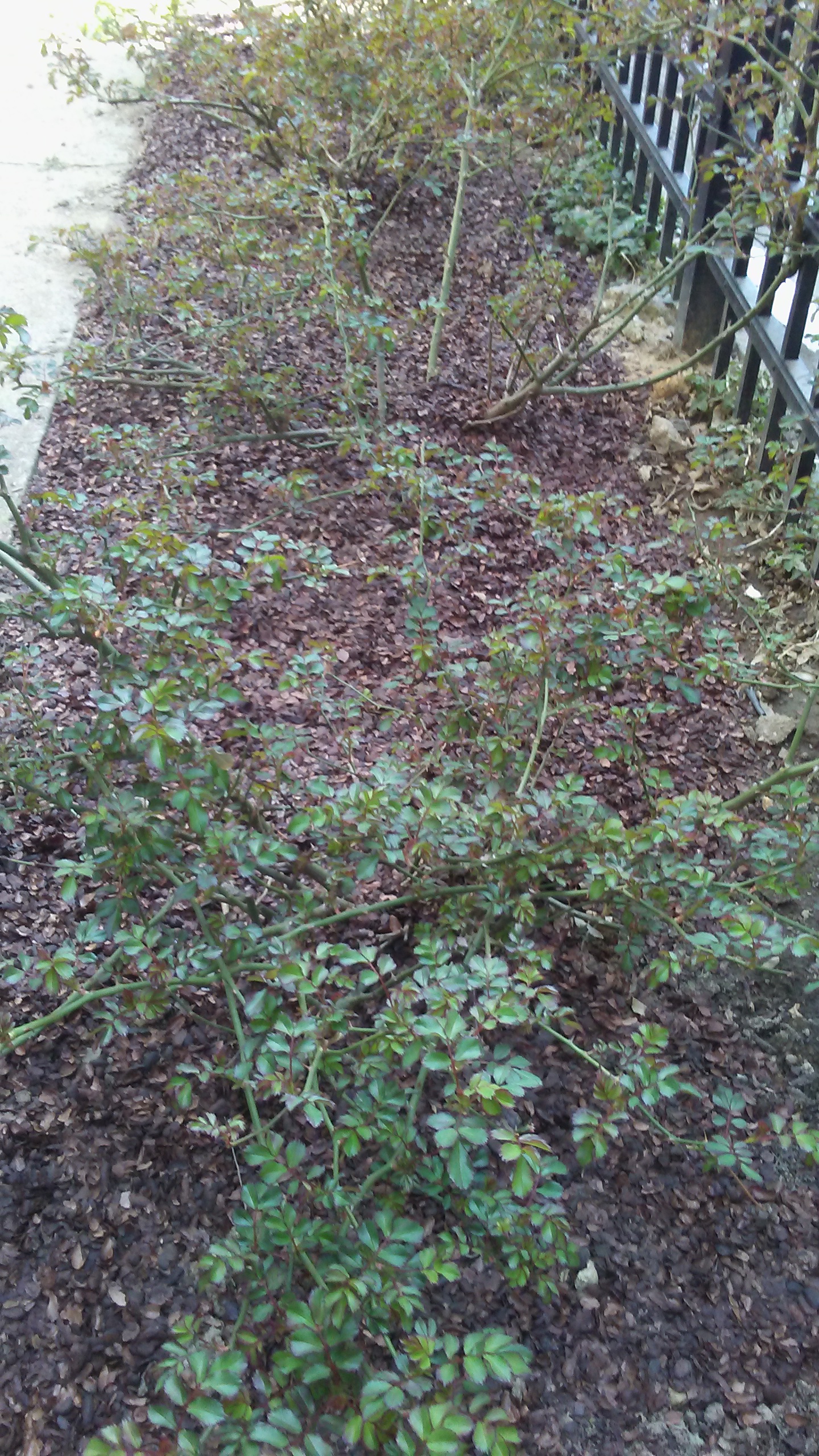
“Sweet Drift” enjoys cocoa hull mulch.
When you think of chocolate and roses, Valentine’s Day may come to mind, but did you know there is mulch that smells like chocolate? Cocoa hull mulch or cocoa shell mulch is simply the shell of the roasted cocoa bean. This economical, organic, and dark colored mulch is readily available at many nurseries in the area or online and boasts a divine smell as well as other benefits to your garden. Some benefits to this aromatic mulch is it improves the soil since it has a pH of 5.8 and puts nitrogen back into the soil, whereas rapidly decaying organic mulches reduce nitrogen level. It also helps retains moisture and cocoa hull mulch helps prevents weeds as it interlocks together when wet creating a nice barrier. In addition, it helps repel slugs, snails, termites, and some bugs.Another benefit is cocoa shell mulch gets darker as it ages not lighter like most mulches.
A word of caution though if you have small children or pets, cocoa shell mulch can cause physical illness or death if consumed in large quantities, but most animals would not be attracted to it in the first place. Nevertheless, something to consider. Another factor to be aware of when considering this mulch is a harmless mold can grow on it if over-watered or when in very humid conditions with not much air circulation. A simple solution of vinegar mixed with some water will resolve this issue though.
Personally, because of it’s smell, textures, natural resource, and benefits to my roses, I am a big fan of cocoa hull mulch! It seems everyday is Valentine’s in my garden!
Do you know the difference between black spot and downy mildew? I am just now realizing I’ve been battling downy mildew. So not cool!
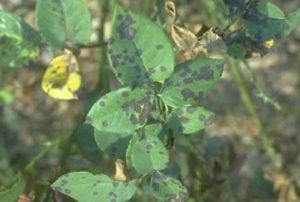 Blackspot
I get emails from many rose growers in spring and fall who think they have blackspot. Many of them have been treating for this disease and don’t understand why the fungicides they are using are not working. In most cases I find they have misdiagnosed their problem and what they actually have is downy mildew.
I will talk about how to control both diseases in future blogs, but for today let’s focus on what they look like.
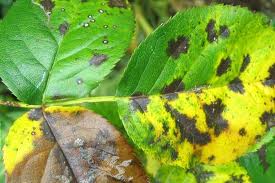 Advanced stages of blackspot
Blackspot (Diplocarpon rosae) starts as a small black spot/spots on otherwise green healthy leaves. As the disease progresses, the leaves get more spots and the green tissue begins to be replaced with yellow. Usually within two weeks of infection the leaves will begin to fall and the entire plant may be defoliated. Left untreated the plant will try to put forth new…
View original post 196 more words


