Digging Deep

bareroootsoaking

Upon letting the roots of my newly purchased bare-root rose soak in a bucket of water and fish fertilizer for approximately 24 hours, I decided to recruit my then 11-year-old son in helping me plant it in late March (the region you are located in will determine when the best time is to plant a rose bush – typically Spring or Fall). Although willing to help me out, my son was not keen on getting his hands too dirty. After all, his hands prefer Legos and video games. Nevertheless, I figured he could use the sunshine and learn a thing or two in the process. After choosing the desired area where I wanted to plant my new rose, we saturated the ground to make the digging easier while also testing the drainage of the soil. My son and I then took a few turns plunging the shovel in the dirt till we reached approximately 18 wide by 18 inches deep. The variant of rose will dictate how much spacing is needed between plantings but on average allow for 2 – 4 feet in between rose bushes. By this point, we were ready to transplant the bare root rose from being in the bucket to its permanent home in the ground. Because the ground was reasonably muddy, I put on pink rubber gloves to protect my painted nails. Apparently, even I don’t like to get my hands too dirty!

I proceeded to create a mound of soil in the shape of a pyramid within the hole so I could rest the rose on top of the mound while sprawling its roots out as best as possible for optimal growth. barerootplanted.webWhile holding the rose in one hand, or glove I should say, I used the other to pack the dirt around the roots as well as the dirt around the base of the rose till she was firmly secure. Overall, the process of planting our newly adopted rose was a success, but we sure did make a muddy mess.

Many days later, I reflect on how we as people of faith often like the beauty of our religious traditions and concepts much like we enjoy the beauty of roses or the idea of a lovely garden. However, we don’t usually like to be too inconvenienced by getting our hands dirty by volunteering or digging too deep into theological thinking. It’s far easier to be comfortable in our faith journey than to potentially be inconvenienced or challenged as we seek to serve others and ponder God’s ways, for example. More often we prefer to stand around like my son and watch others dig for God. Or if we do take the plunge, we set limits on our love by wearing gloves, so the depth of our devotion doesn’t stain our nails, alter our appearance, or even transform us. And yet, God’s great love, wisdom, and mercy seem to constantly and creatively be digging deep for us with the hopes we’d be firmly rooted in His garden.

 

How To Hybridize Roses

If you love roses as much as I do, then perhaps you’ve wondered how to create your very own rose. Check out this video put out by the ever-famous rosarian, Paul Zimmeran. Sounds like something I might have to try this summer!

Chocolate and Roses

20160324_152006

“Sweet Drift” enjoys cocoa hull mulch.

When you think of chocolate and roses, Valentine’s Day may come to mind, but did you know there is mulch that smells like chocolate? Cocoa hull mulch or cocoa shell mulch is simply the shell of the roasted cocoa bean. This economical, organic, and dark colored mulch is readily available at many nurseries in the area or online and boasts a divine smell as well as other benefits to your garden. Some benefits to this aromatic mulch is it improves the soil since it has a pH of  5.8 and puts nitrogen back into the soil, whereas rapidly decaying organic mulches reduce nitrogen level. It also helps retains moisture and cocoa hull mulch helps prevents weeds as it interlocks together when wet creating a nice barrier. In addition, it helps repel slugs, snails, termites, and some bugs.Another benefit is cocoa shell mulch gets darker as it ages not lighter like most mulches.

A word of caution though if you have small children or pets, cocoa shell mulch can cause physical illness or death if consumed in large quantities, but most animals would not be attracted to it in the first place. Nevertheless, something to consider. Another factor to be aware of when considering this mulch is a harmless mold can grow on it if over-watered or when in very humid conditions with not much air circulation. A simple solution of vinegar mixed with some water will resolve this issue though.

Personally, because of it’s smell, textures, natural resource, and benefits to my roses, I am a big fan of cocoa hull mulch! It seems everyday is Valentine’s in my garden!

The Darkness

20160322_152818

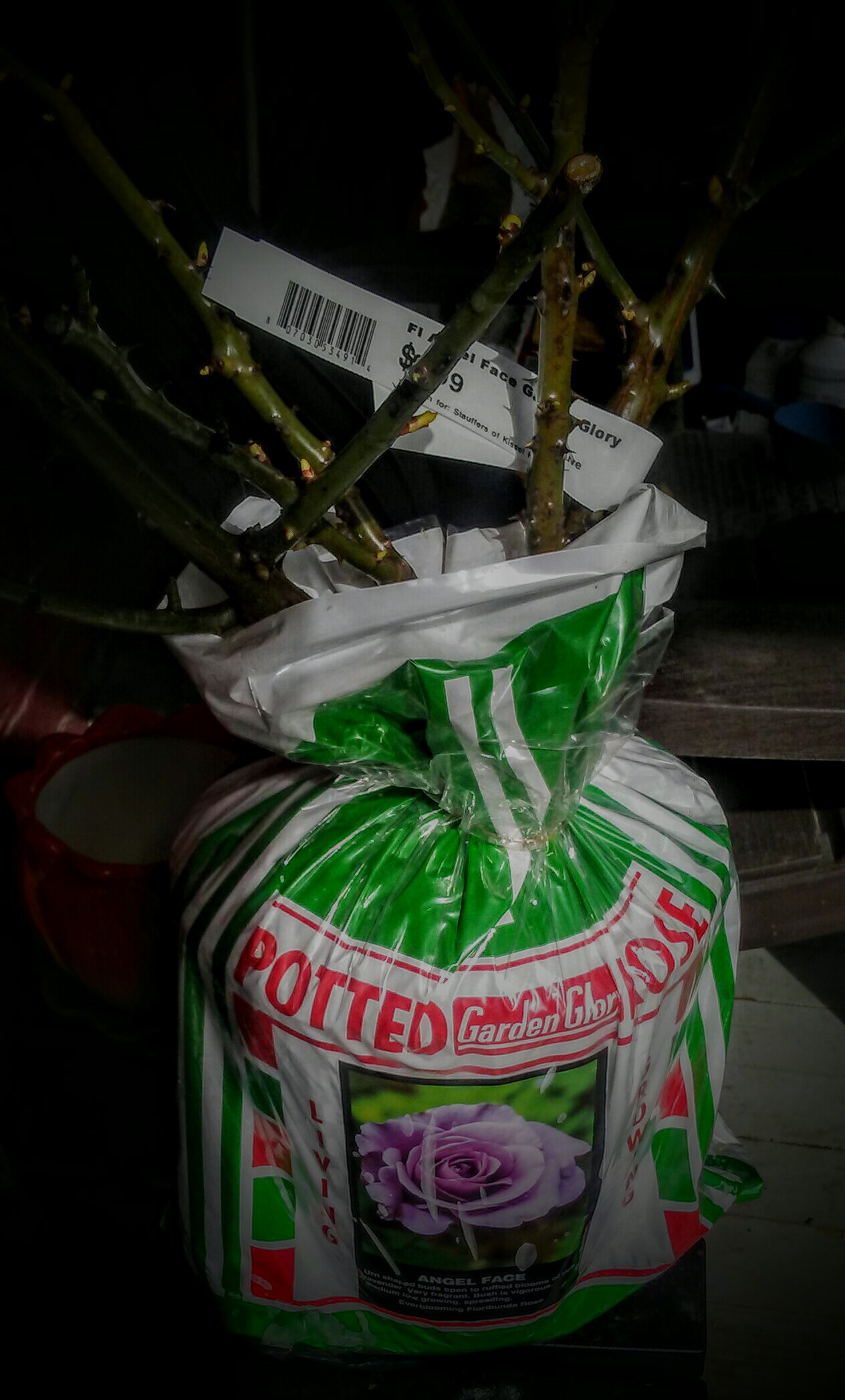
My new rose, “Angel Face” in bare root form.

While I patiently waited for a Spring cold snap to pass, I stored my impulsively bought bare root rose in my basement to keep her from becoming dehydrated in my toasty home until conditions are favorable for planting. As I took a load of laundry down into the chilly dark basement, I was surprised to see my new rose addition had quickly developed swollen leaf buds despite the dark and damp conditions. It was then while tossing in the laundry detergent, I pondered the often-overlooked truth that our personal darkness – you know the struggles, the hardships, and the issues of life can still be opportunities to grow. Within the garden of my life, my biggest revelations and more importantly, transformations have happened in my soul when I’ve been forced into the darkness. We usually don’t realize or want to realize God sometimes calls us INTO the darkness for our own benefit as I did for my infant rose. In fact, Isaiah 45 invites us to seek out treasures within the darkness and tells us God created both the light AND the darkness! So, the next time you find yourself in dark and damp conditions, know that God has you there for a reason. It may be to protect you until conditions are more favorable. You could be like my little rose by considering the darkness an opportunity for growth!

The Irony

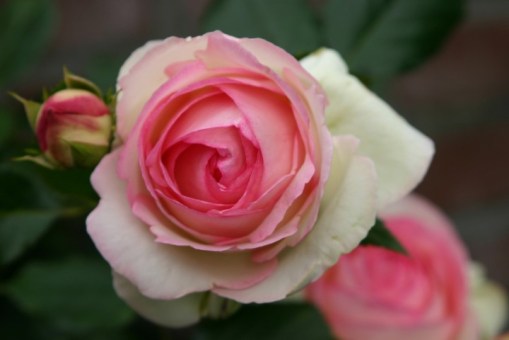
Eden Rose

Eden {photo credit: unknown}

Upon waking up this morning, my heart nearly stopped when looking at my phone to see snow in this weekend’s forecast. The irony of snow falling on the first day of the much anticipated warmth of Spring. Ordinarily, such a surprise winter attack would not be cause of panic, but when one considers I just planted the newly arrived and leafed out Eden rose a few days prior, my heart sank. Not to mention, freezing temperatures were not in the forecast. Even the forsythia are blooming as well as Japanese Magnolia trees (also known as Tulip Trees) and Eastern Red Bud Trees. With such promising signs the welcomed warmth of Spring was seemingly here to stay, I proceeded in clearing my rose beds and pruning my beloved rose babies just last week.

Naturally, prior to even completing a full cup of coffee, I was on the phone with my local nursery getting critical feedback on how to protect my newest addition, Eden. Upon receiving such advice, I also called Heirloom Roses, where I ordered Eden from, to get a second opinion. Both retailers suggested I apply mulch around the base of the plant then cover the hopeful bush with a 5 gallon bucket and blanket of sorts using a brick to secure it. Fair enough.

While driving to the nursery to purchase mulch for our emergency rose rescue operation, my husband gently, but adamantly declared we will most ardently not be purchasing any more roses in this trip or ever as our yard is small yet full of roses (plus I do believe he is tired of breaking ground). I calmly assured him not to worry. After all, unbeknownst to him, I already inquired on the local nursery’s rose inventory and was informed all they had right now was a few bare roots and left over Knock Outs. Naturally, I had every intention of still browsing their selection as well as all the other garden candy they had to offer. Ironically and much to my surprise, upon walking up to the few bare roots they had on display, my adamant “no more roses” husband immediately fell in love with Angel Face, a lavender purple color rose and promptly suggested we get it (we can plant the bare root rose once this cold snap passes).

Angel Face

Angel Face (photo credit: Pinterest)

Consequently, I about fell over… Then again, I did pull him close and hugged him before entering “the danger zone” of the nursery (aka where they keep the roses). Ha! Although I did not knowingly intend to manipulate, I discovered bodily contact within the nursery limits was certainly a good way to get more roses should he ever attempt to intervene in my apparent rose addiction again.

With all that said, I’m hoping, of course, the up and coming snow fall turns out to be a bust, but am thankful regardless for it provided me an unexpected rose and a productive day of weeding and mulching! The irony!

(Update: Thankfully, the weather experts were wrong. It didn’t snow nor even rained. But God cares about roses and still answers prayers!) 😄

Blackspot or Downy Mildew?

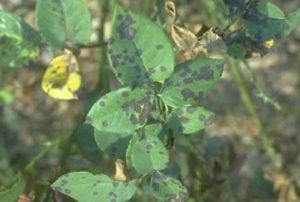
Do you know the difference between black spot and downy mildew? I am just now realizing I’ve been battling downy mildew. So not cool!

rosedoctor's avatarRose Growing Tips

blackspot2 Blackspot

I get emails from many rose growers in spring and fall who think they have blackspot.   Many of them have been treating for this disease and don’t understand why the fungicides they are using are not working.    In most cases I find they have misdiagnosed their problem and what they actually have is downy mildew.

I will talk about how to control both diseases in future blogs, but for today let’s focus on what they look like.

blackspot1 Advanced stages of blackspot

Blackspot (Diplocarpon rosae) starts as a small black spot/spots on otherwise green healthy leaves.   As the disease progresses, the leaves get more spots and the green tissue begins to be replaced with yellow.  Usually within two weeks of infection the leaves will begin to fall and the entire plant may be defoliated.  Left untreated the plant will try to put forth new…

View original post 196 more words

Pruning the Garden of Your Heart

The weather is warm, the leaf buds are swollen with potential, and life is good. With only ten days till it’s officially Spring, my heart swells with garden joy! Little by little, I’ve been preparing my garden for healthy abundant blooms. While raking fallen leaves and cutting out dead wood, my spirit rises knowing glorious beauty will manifest.

Similarly, separating the fallen and dead is what must occur in order for God’s kingdom to bloom in our hearts and on Earth one fine day.

There has to be a pruning of our hearts, a raking of our fallen leaves, and cutting off the dead wood taking up real estate within our hearts and minds. If you believe in the prophetic writings found throughout Tanakh, anything that is not of God’s righteousness ultimately will be pruned and burnt up. How much more glorious if we allow God to shape us into the ever-blooming rose bush He dreamed of when we were nothing but seedlings!

The Master Gardener will prune our heart’s garden if we let Him — if we cooperate with His will being done in our hearts and homes rather than growing into a mess of an overgrown, out-of-control shrub! Although His pruning painfully cuts deep at times within our souls, His intentions are to manifest the beautiful design He dreamed for us when He planted us in His well-landscaped garden.

wp-1457578707828.jpg

Knock Out’s Sweet Drift

This Spring, as you plan out, prepare, and prune a garden of your own, ask yourself: What is God, your Master Gardener, pruning in you? What needs to be cut out of your heart in order for you to manifest abundant blooms in His garden? God wants to see you bloom. He wants you to live in His ever-blooming love both now and forever with Him in His eternal garden. In order to be ever-blooming though, you need to allow Him to prune the garden of your heart.

“And the LORD your God will circumcise your heart and the heart of your offspring, so that you will love the LORD your God with all your heart and with all your soul, that you may live.” Deuteronomy 30:6

How To P.R.U.N.E.

Perhaps the simplest way to remember basic pruning principles is to memorize the acronym P.R.U.N.E.

102393195-prune-roses.jpg.rendition.largest

{photo credit: Better Homes & Garden}

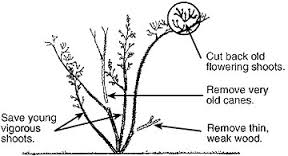
P: Prepare your plant by thoroughly assessing it. Inspect your rose bush – how did it do over the winter? Any snapped canes from wild winds or heavy snow? Is it a tangled mess? Too overgrown? Damaged? Do you see any diseased canes or problem areas?

R: Remove the 3 D’s: dead, diseased, and damaged canes. Basically, you’ll need to remove any canes that can’t be trained or saved (as painful as that may be – figuratively or literally).Note: Wear welders gloves and clothes you won’t mind getting snagged. While you are discerning which canes stay and which are cut, you also want to remove any canes that are crossing or too thin (skinnier than a pencil). Watch out for canes that have rubbed along a trellis – they could become susceptible to disease so trim any potential problem laterals/canes out as well.

pruning

{photo credit: unknown}

U: Understand your rose bush and the look you want for the plant and how it fits in the overall look of the garden.

N: Nothing left behind -Be sure to gather and evict any remaining dead leaves, canes, or other debris that may be in or around the bush. Otherwise, you will be inviting disease and an unsightly mess of things.

E: Enjoy a healthy, blooming rose bush!

Keep checking Ever-Blooming Roses’ blog for more tips

on developing an ever-blooming rose garden!